

Protected Tree Species
Protected Tree Species
Glendale’s Protected Trees Program safeguards several native, or indigenous, tree species that are an important part of the city’s natural landscape. These trees provide shade, wildlife habitat, and environmental benefits throughout the community.
The species listed below may be protected when they meet the size requirements established in the Indigenous Tree Ordinance (GMC 12.44). Select a tree below to jump to its section and learn how to identify each species.
Note: Once you identify a protected species, visit the Rules & Permits page to learn when permits may be required.
NOT SURE WHAT TREE YOU HAVE?
Contact the Forestry Section at (818) 548-3950 for assistance.
California Bay
Umbellularia californica
California bay, also known as California bay laurel, is an evergreen tree native to California’s coastal and foothill regions. It is known for its glossy leaves and distinctive herbal fragrance when crushed. These trees play an important role in local ecosystems by providing shade and habitat for wildlife.
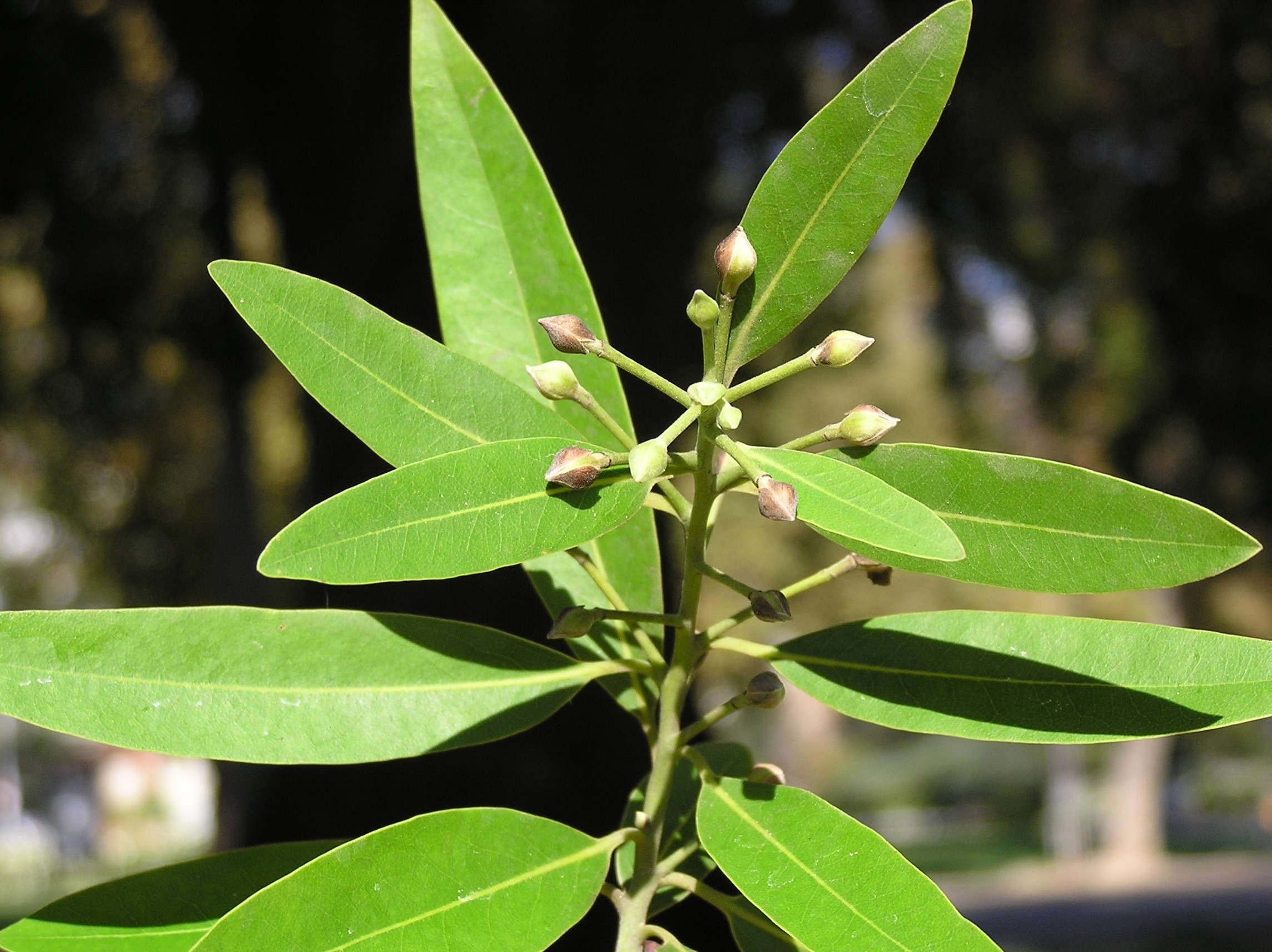
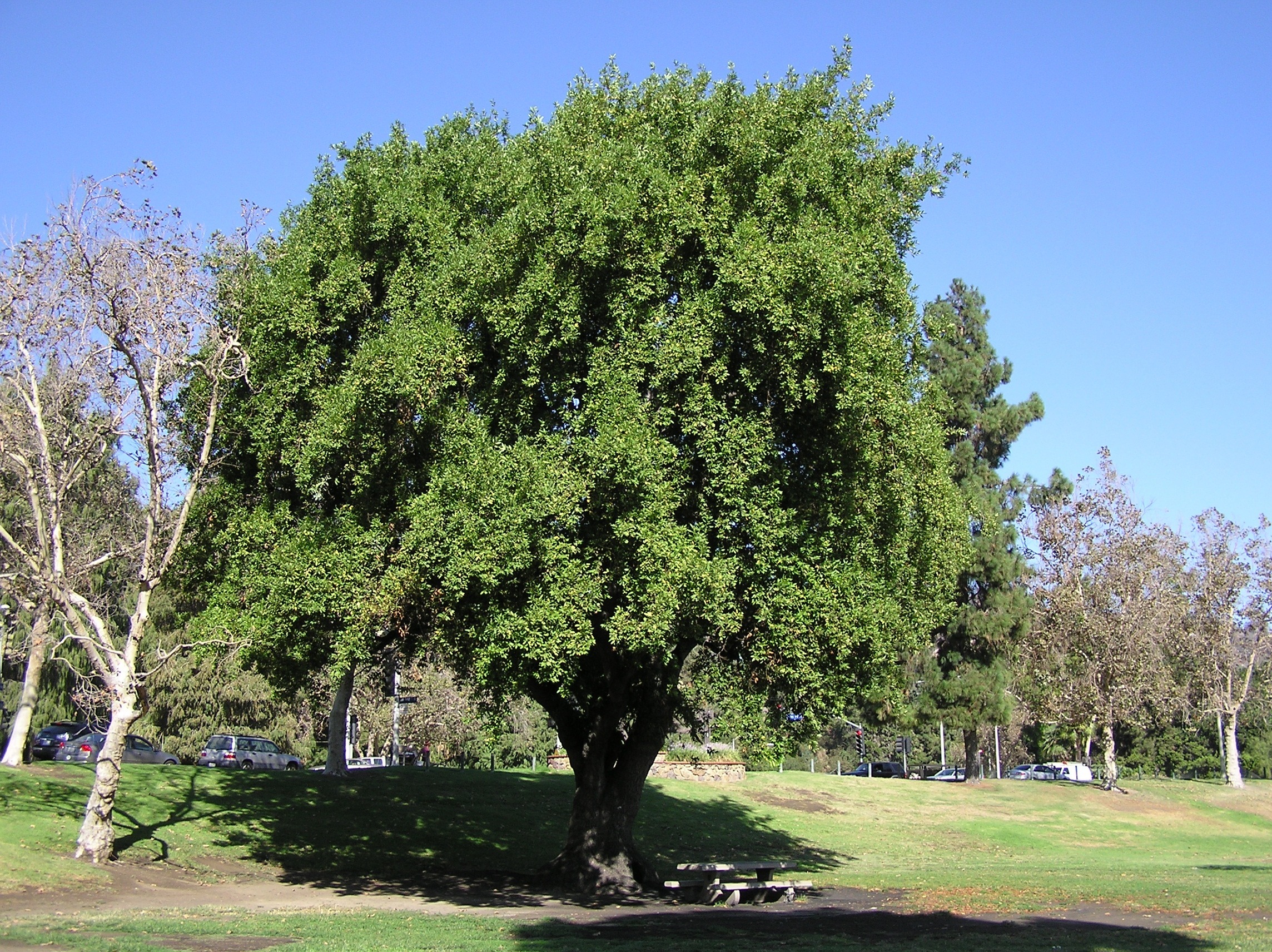
California Bay
Umbellularia californica
California bay, also known as California bay laurel, is an evergreen tree native to California’s coastal and foothill regions. It is known for its glossy leaves and distinctive herbal fragrance when crushed. These trees play an important role in local ecosystems by providing shade and habitat for wildlife.
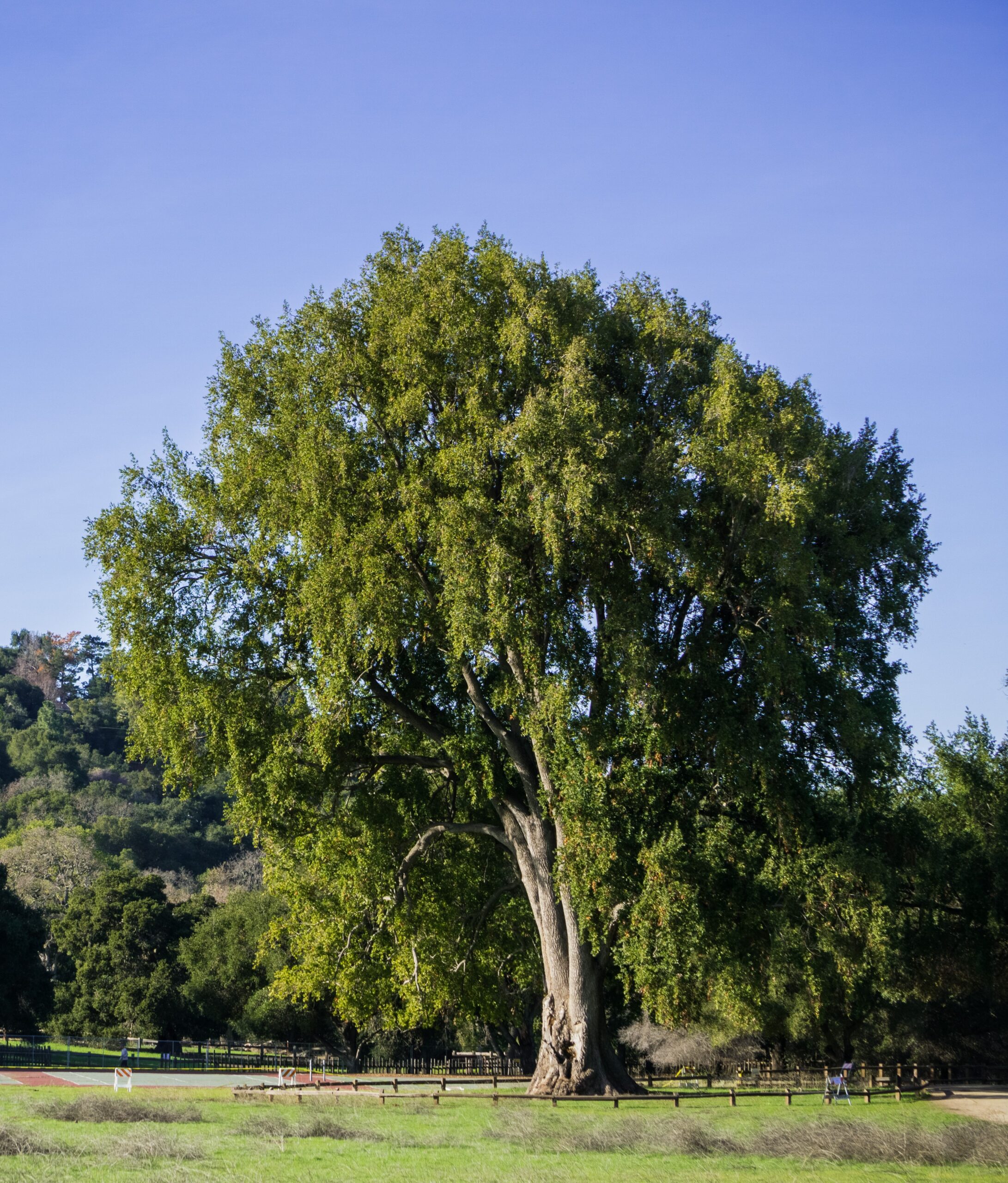
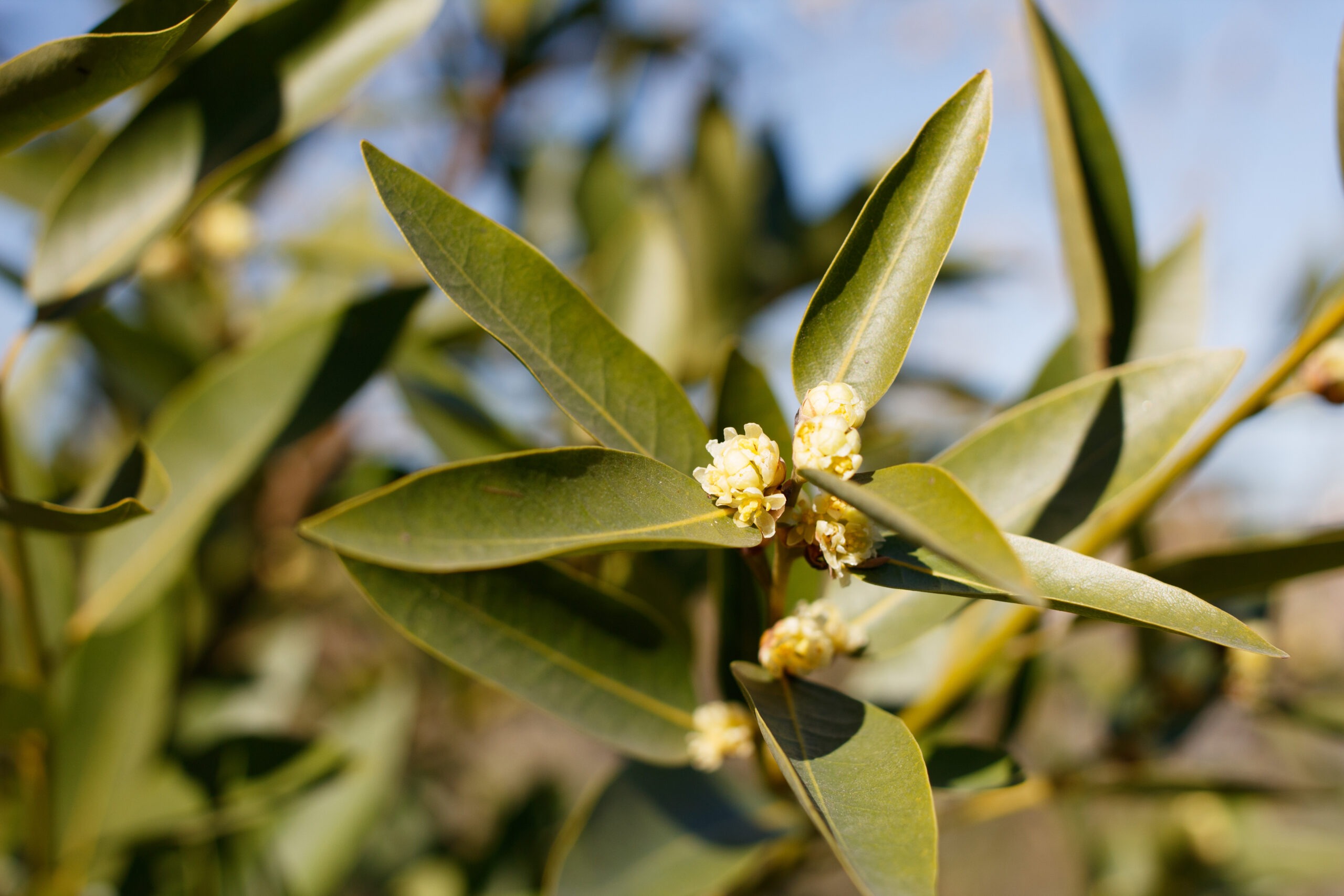
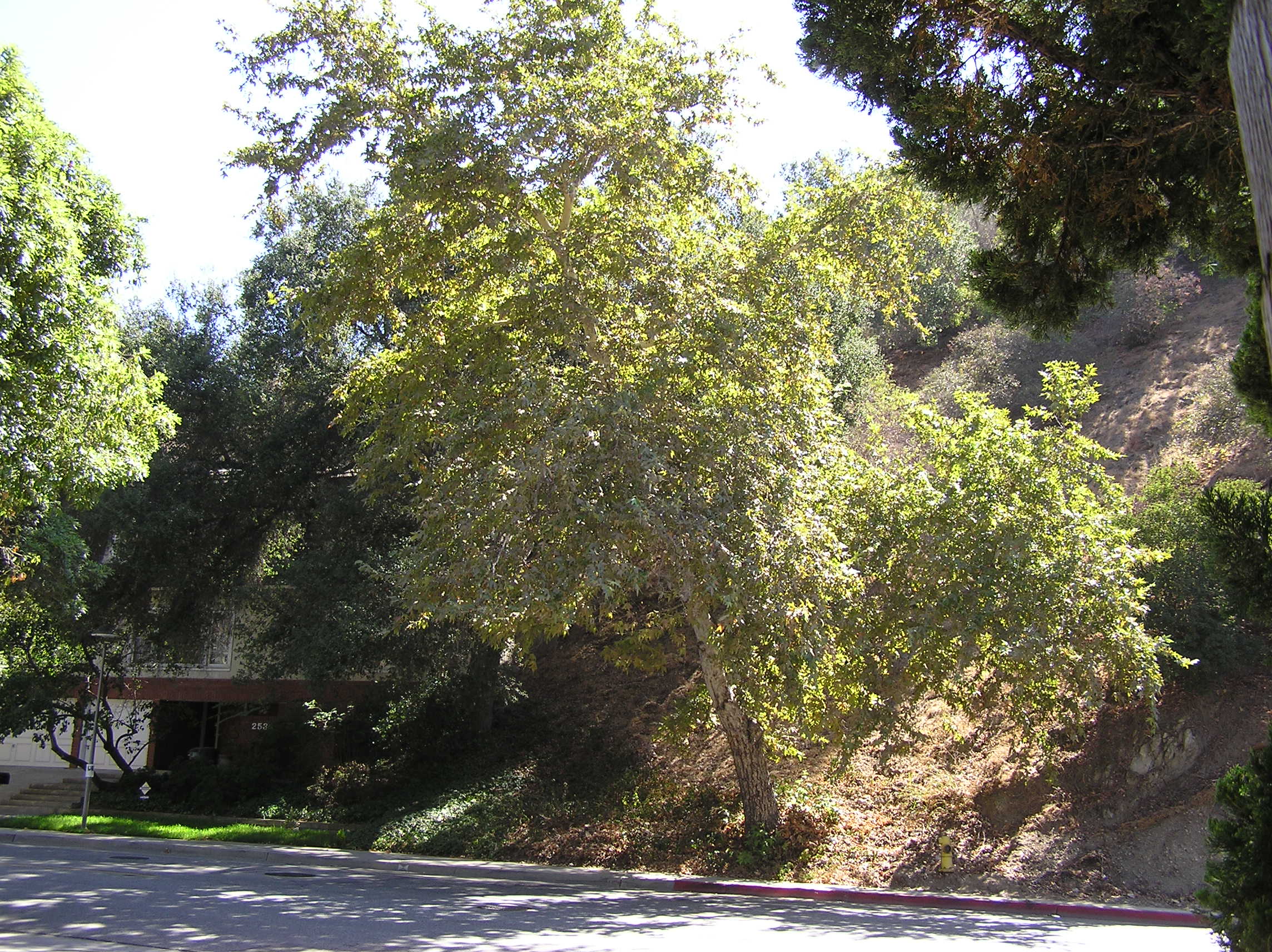
California Sycamore
Platanus racemosa
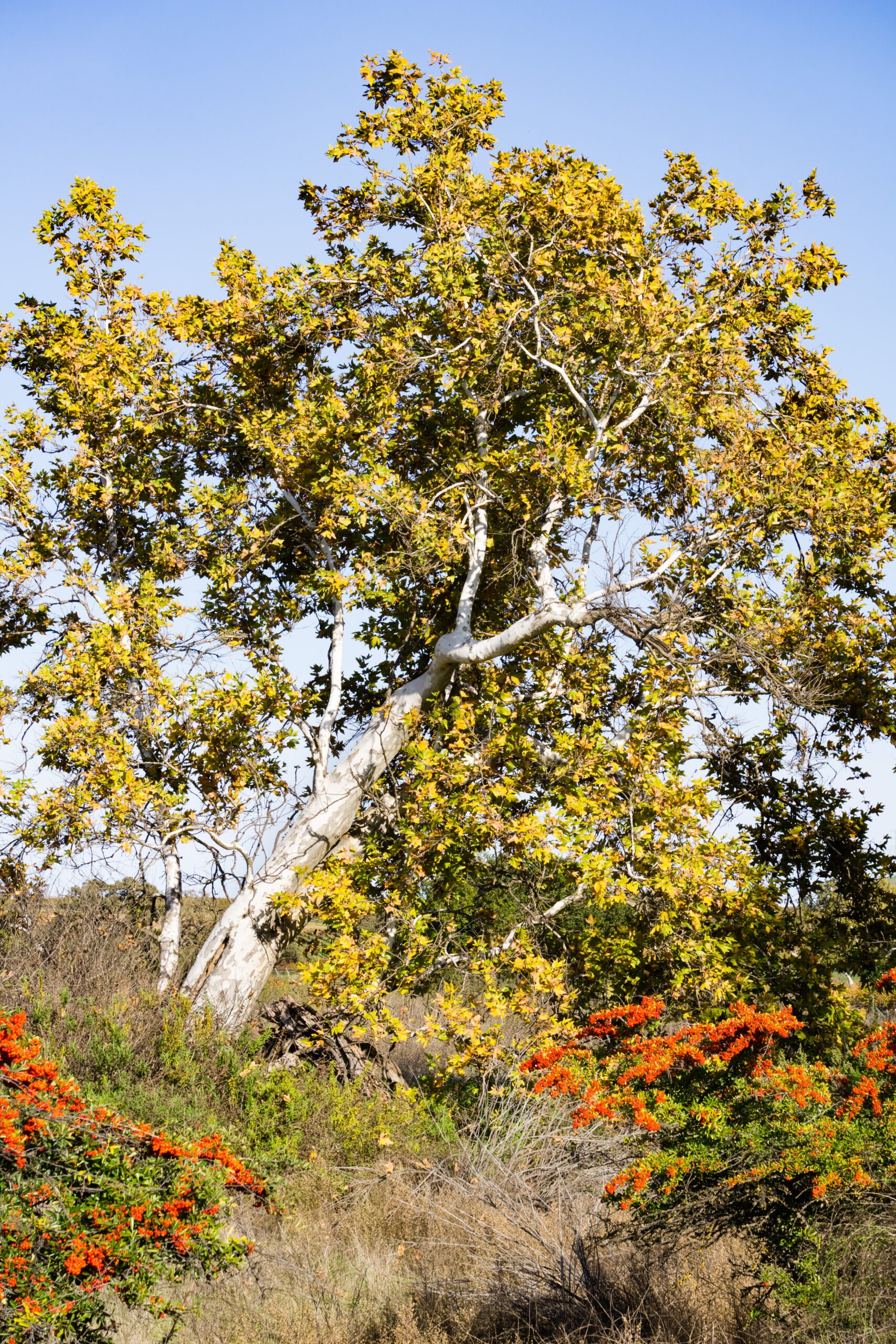
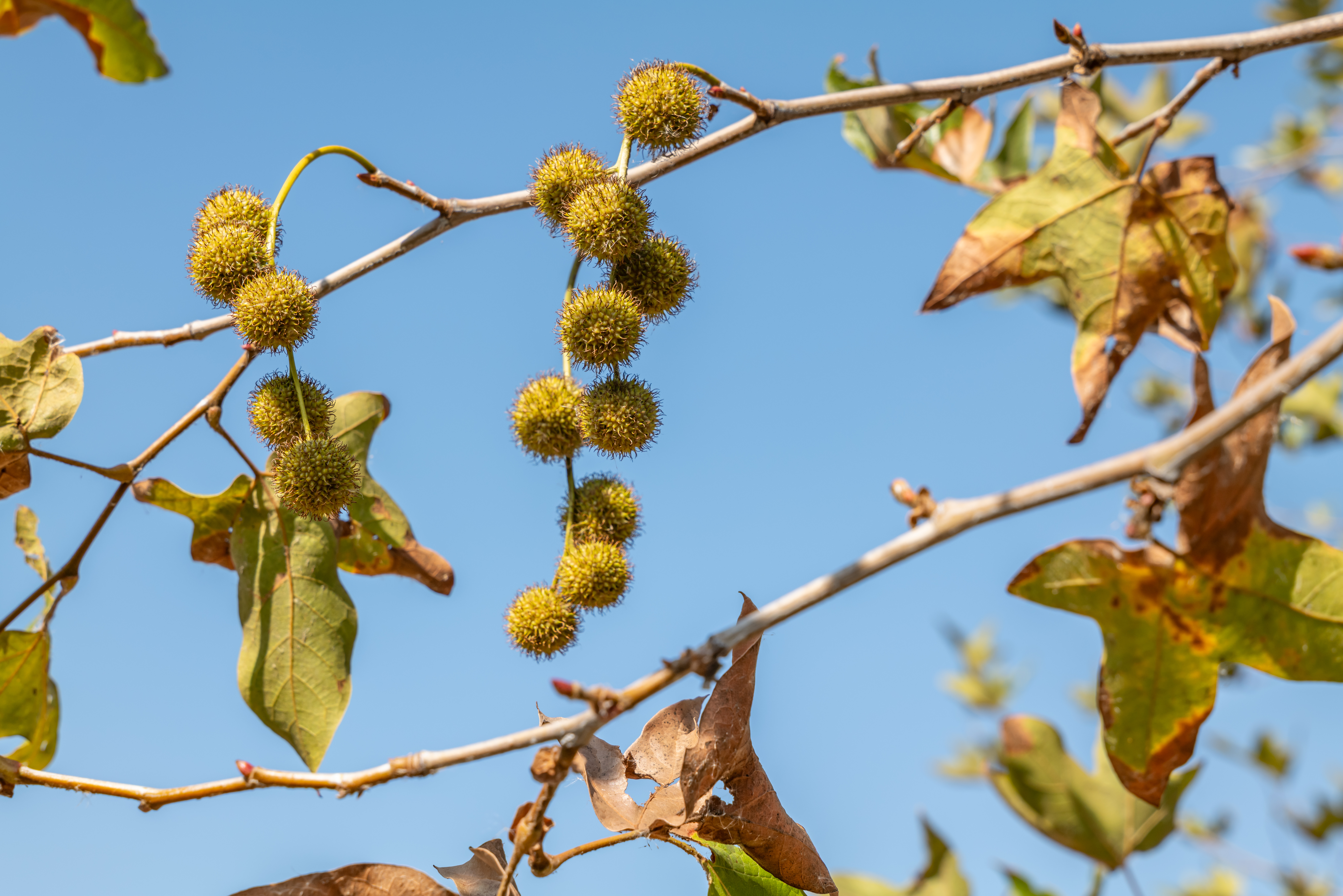
California sycamore is one of the tallest native trees in Southern California and is easily recognized by its broad upright canopy and multicolored bark. The bark naturally peels away in patches, revealing lighter layers beneath and giving the tree its distinctive appearance. Sycamores provide valuable shade and habitat for birds and other wildlife.
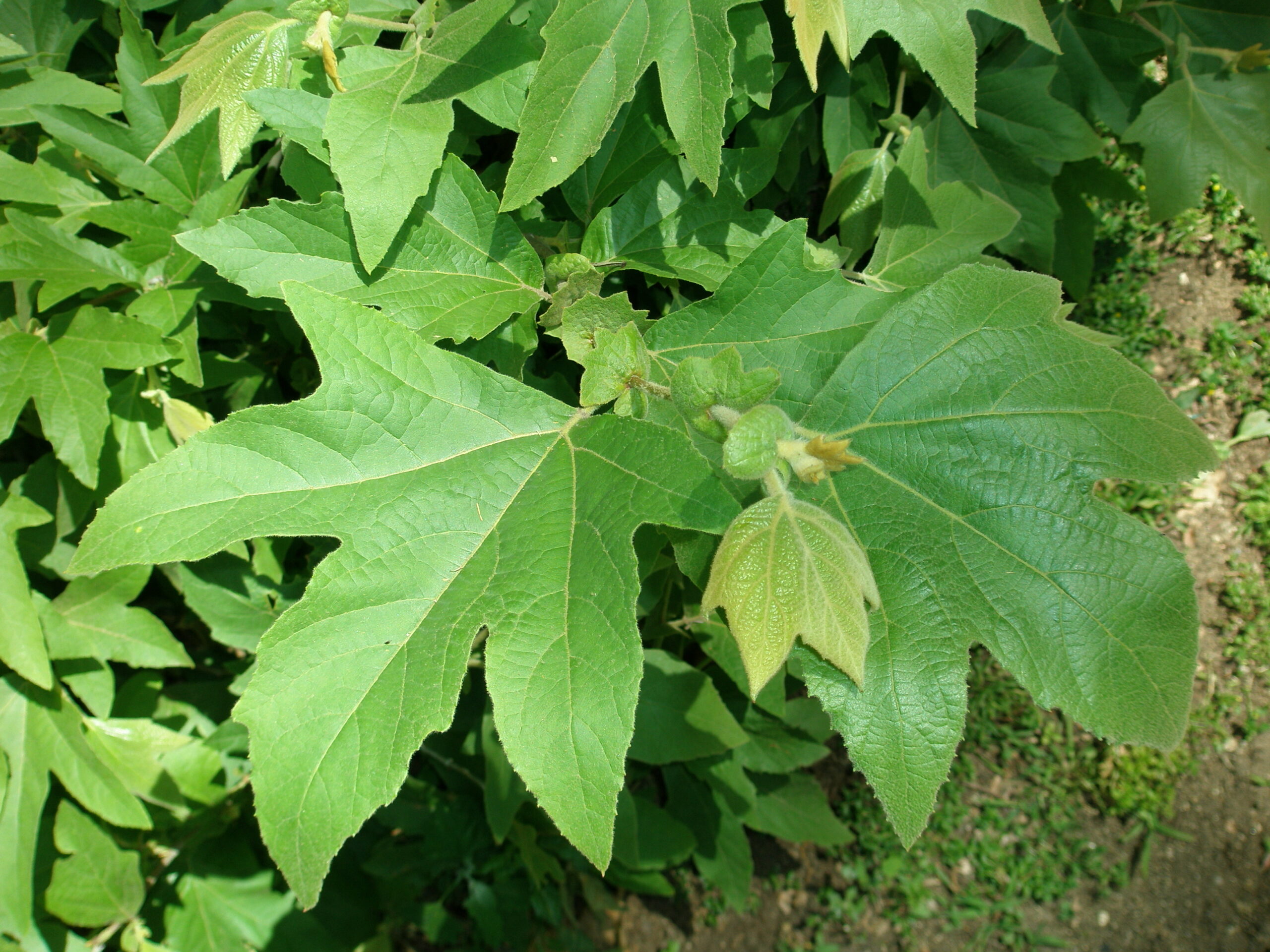
California Sycamore
Platanus racemosa
California sycamore is one of the largest native trees in Southern California and is easily recognized by its broad canopy and multicolored bark. The bark naturally peels away in patches, revealing lighter layers beneath and giving the tree its distinctive appearance. Sycamores provide valuable shade and habitat for birds and other wildlife.
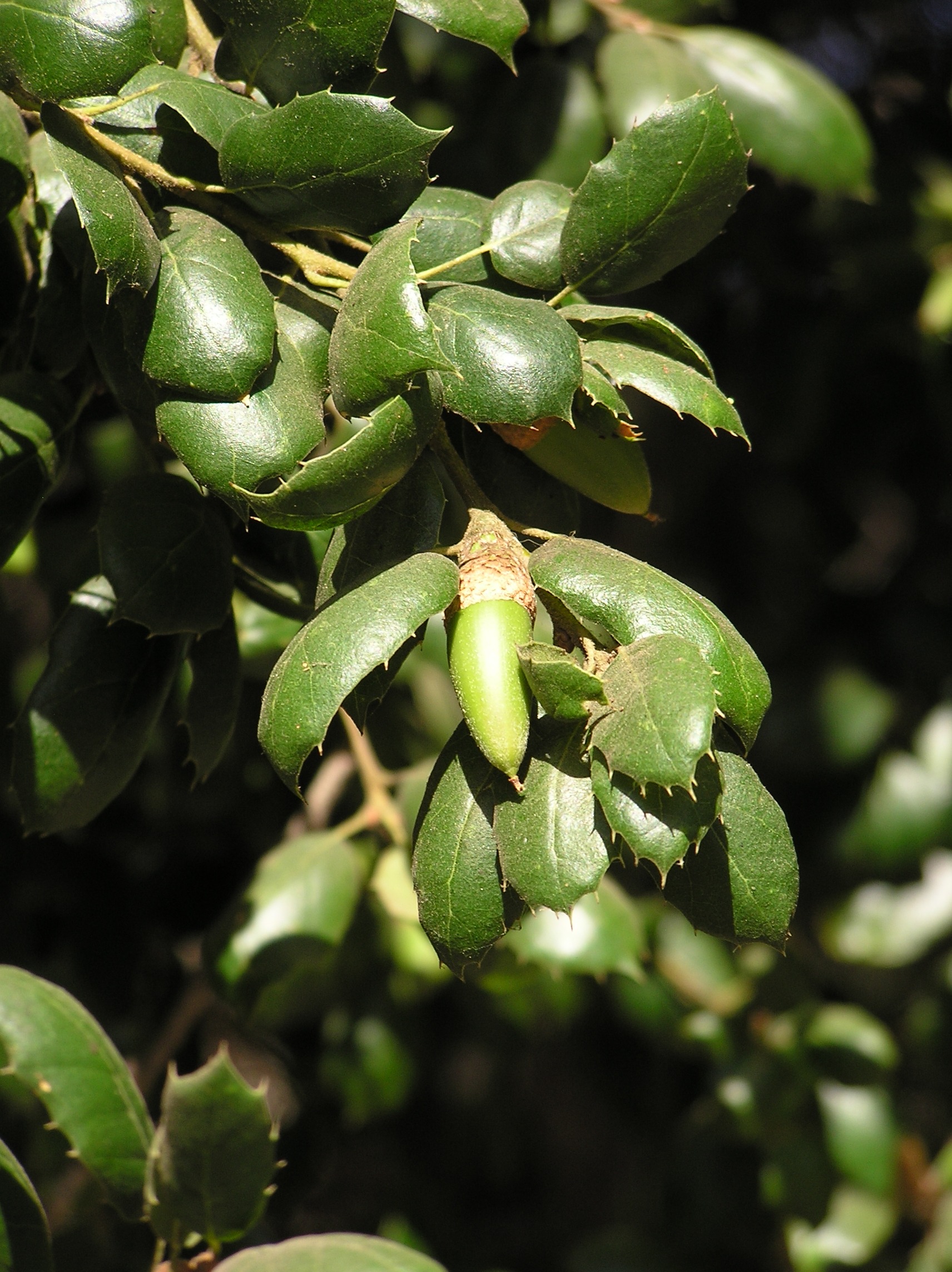
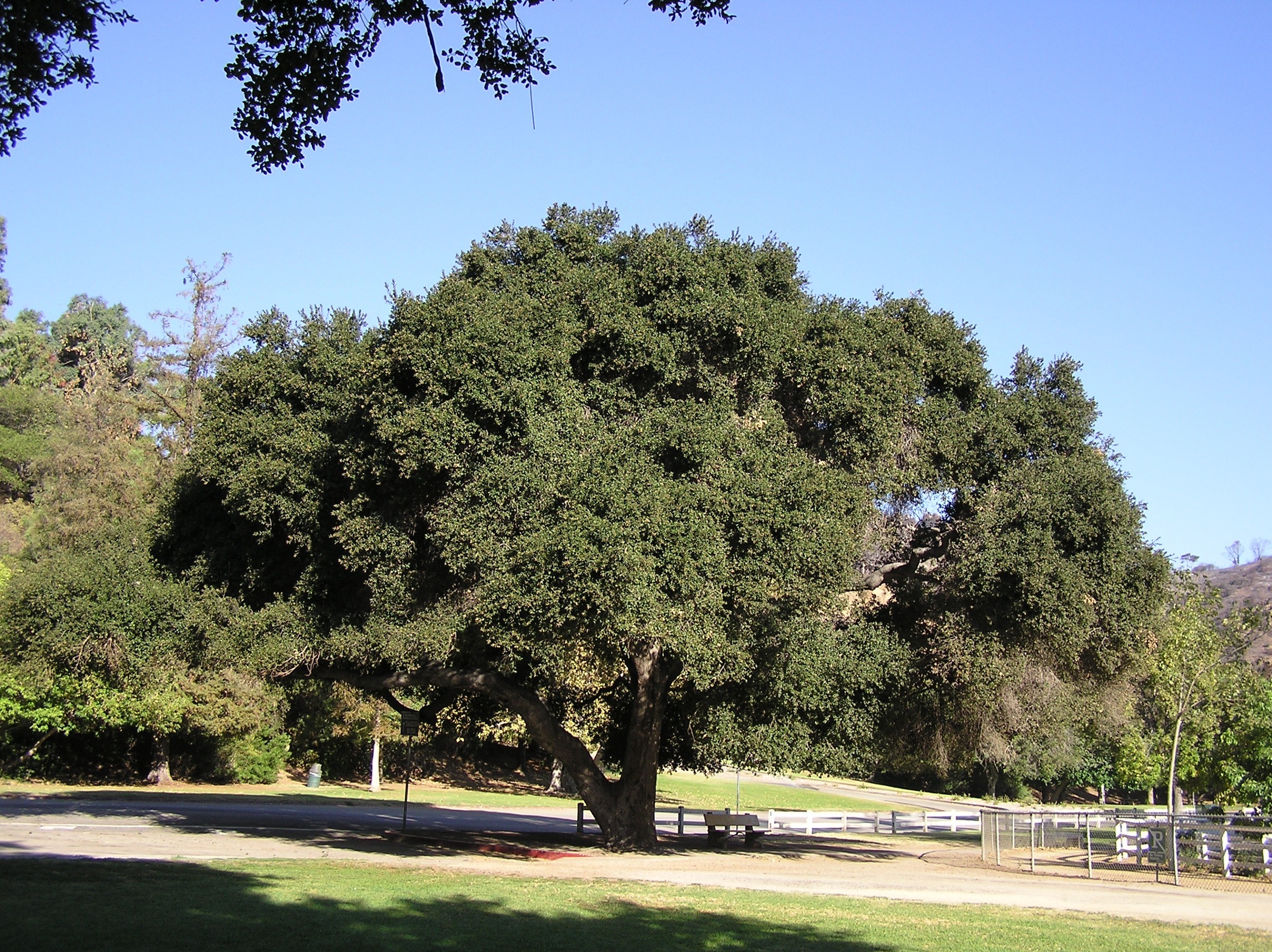
Coast Live Oak
Quercus agrifolia
Coast live oak is a large evergreen oak native to California and one of the most iconic trees in the region. These long-lived trees provide important habitat and food sources for many species of birds, mammals, and insects. Their wide spreading branches create dense shade and contribute significantly to the character of Southern California’s natural landscapes.
Coast Live Oak
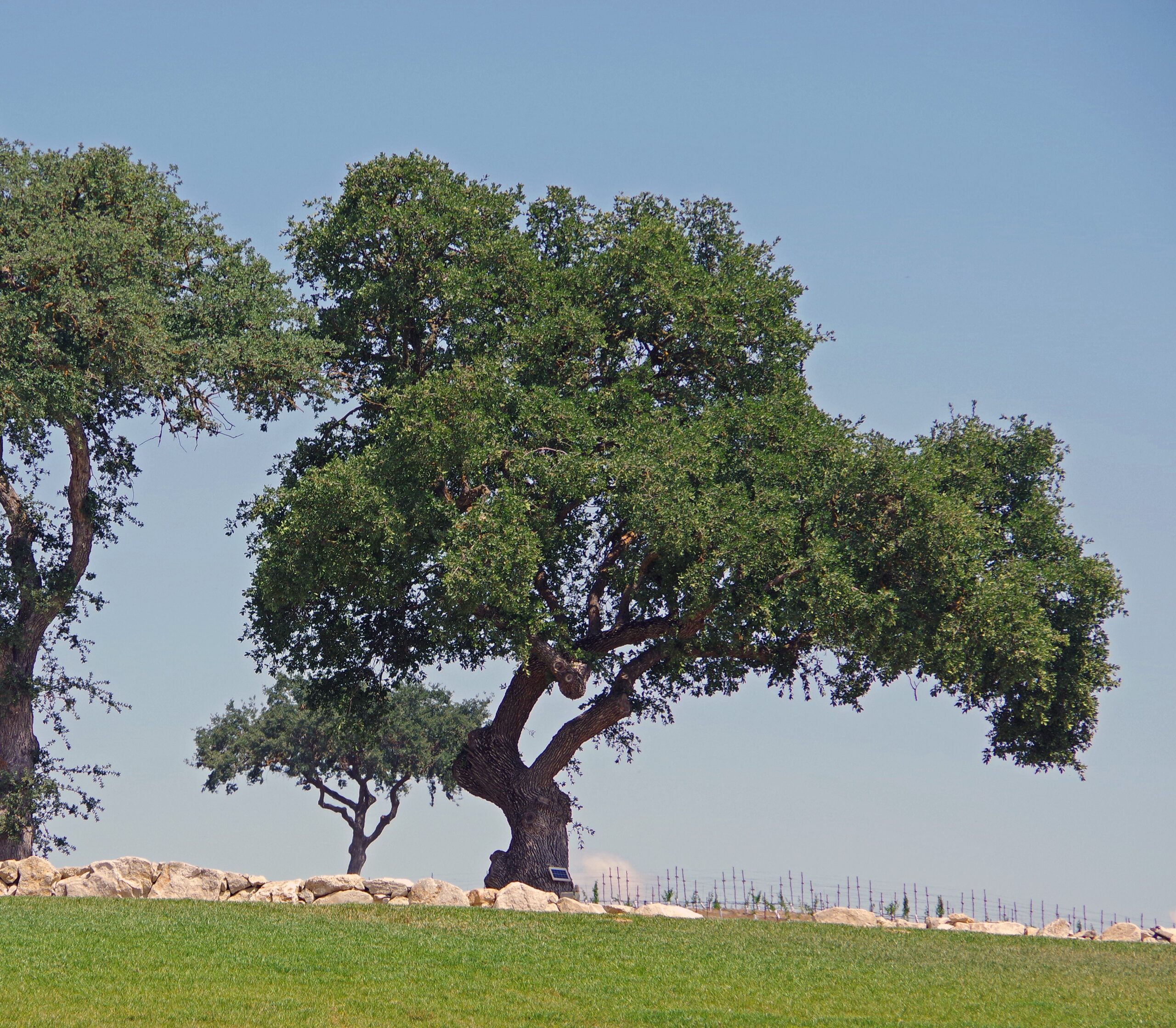
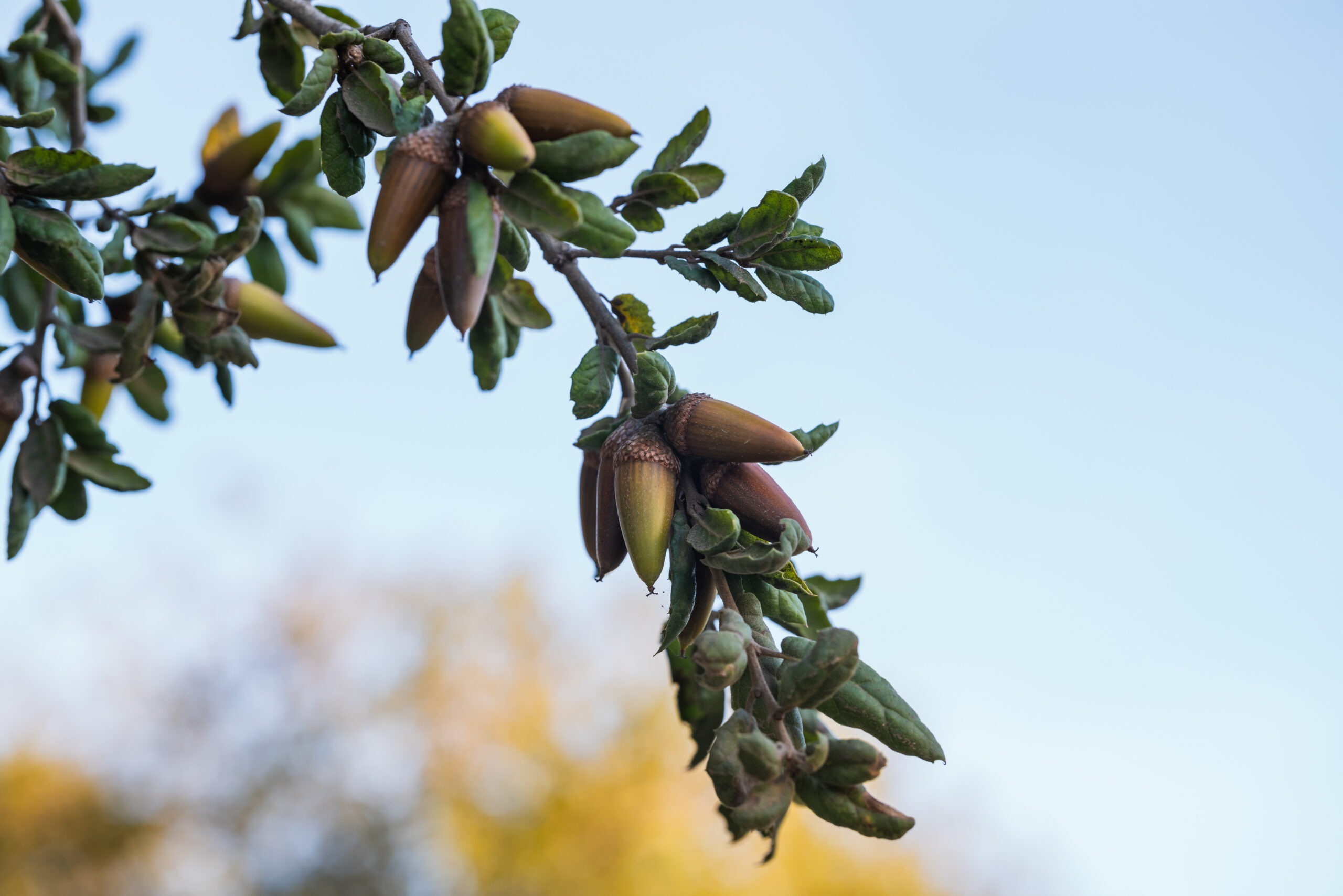
Quercus agrifolia
Coast live oak is a large evergreen oak native to California and one of the most iconic trees in the region. These long-lived trees provide important habitat and food sources for many species of birds, mammals, and insects. Their wide spreading branches create dense shade and contribute significantly to the character of Southern California’s natural landscapes.
Mesa Oak
Quercus engelmannii
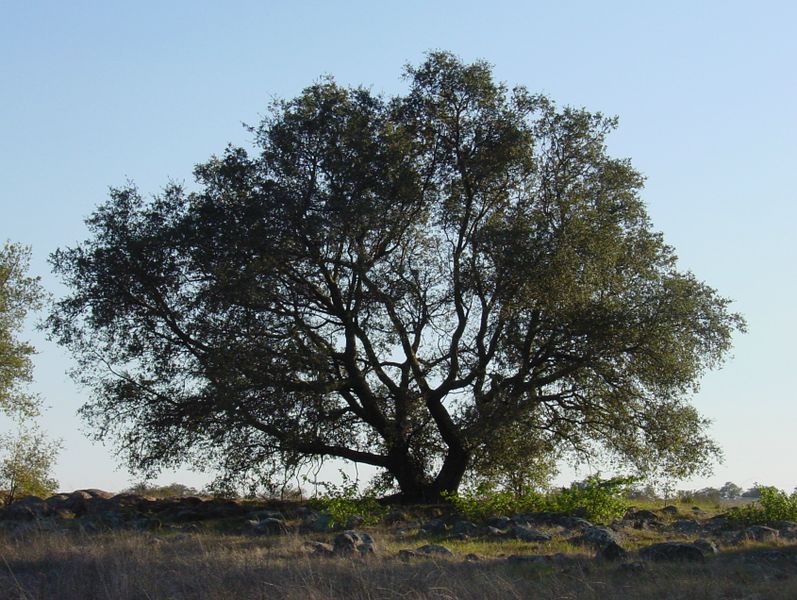
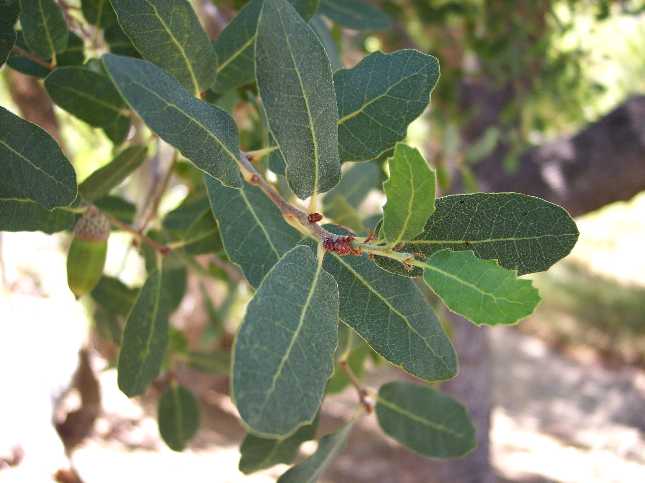
Mesa oak, also known as Engelmann oak, is a rare native oak species found in parts of Southern California. Compared with other oak species, it has a more limited natural range and is considered an important tree for regional conservation. Mesa oaks typically develop broad canopies and oval-shaped leaves. Because they are less common than other native oaks, they are especially important to protect when found within Glendale.
Mesa Oak
Quercus engelmannii
Mesa oak, also known as Engelmann oak, is a rare native oak species found in parts of Southern California. Compared with other oak species, it has a more limited natural range and is considered an important tree for regional conservation. Mesa oaks typically develop broad canopies and rounded leaves. Because they are less common than other native oaks, they are especially important to protect when found within Glendale.
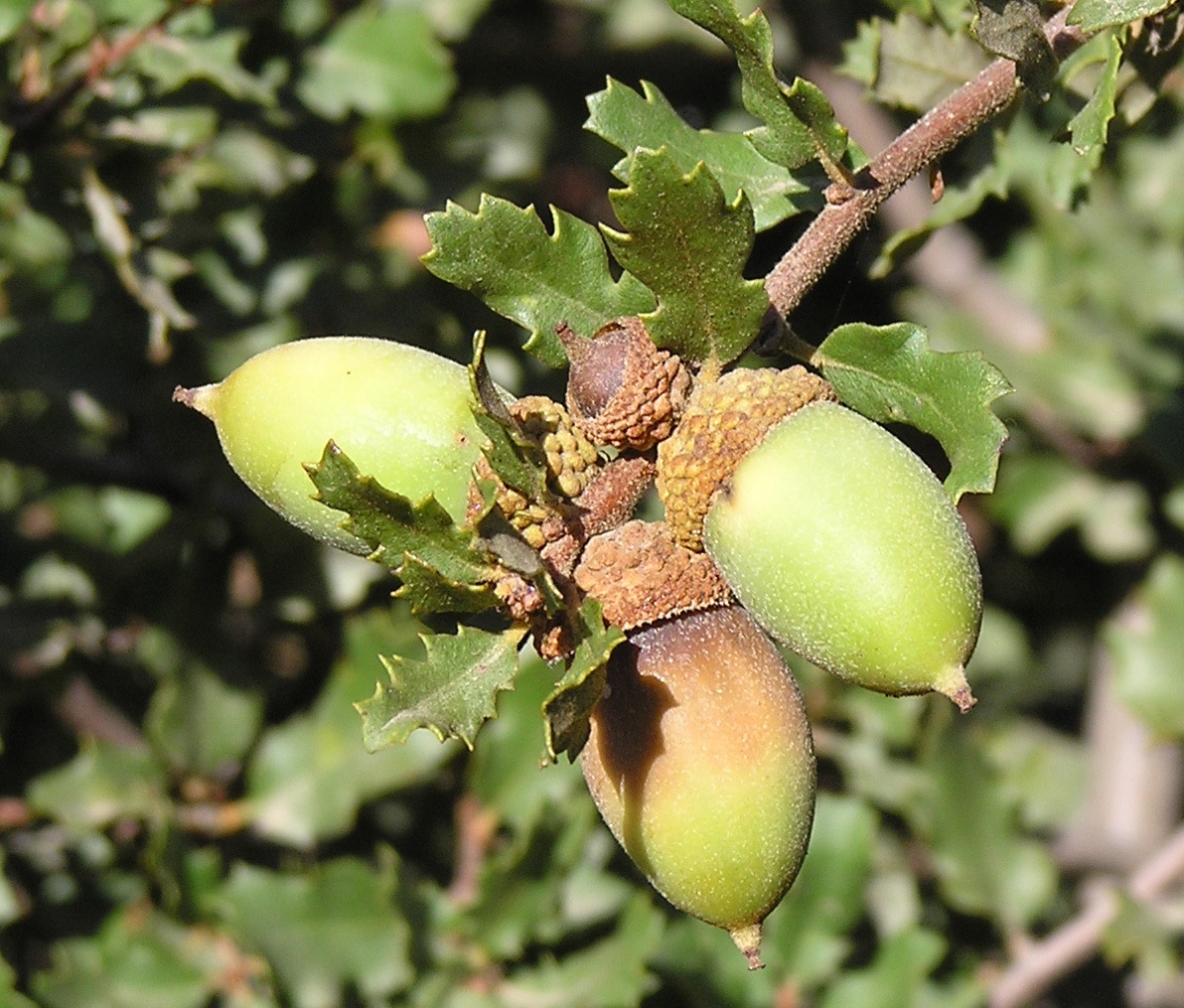
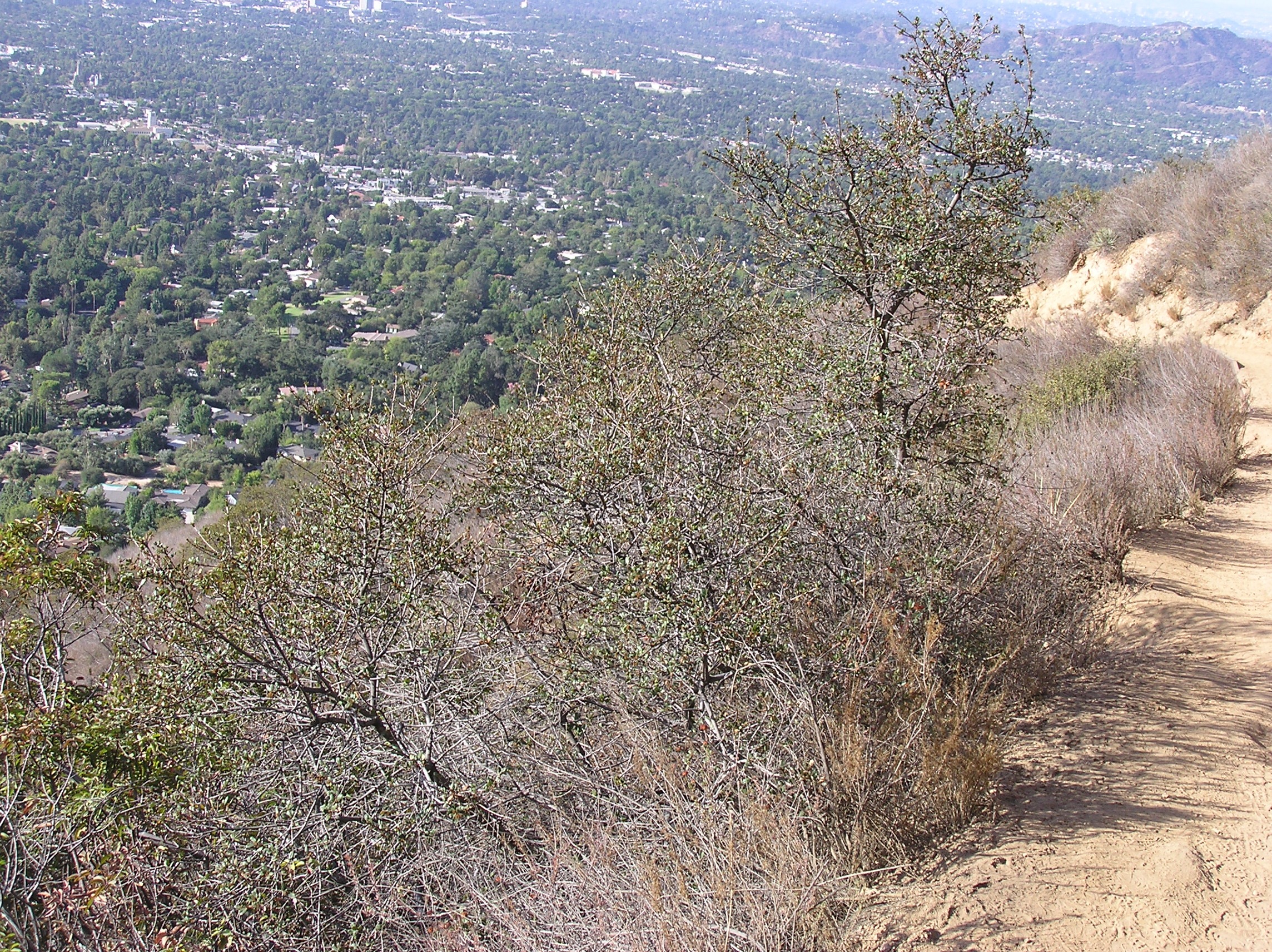
Scrub Oak
Quercus berberidifolia
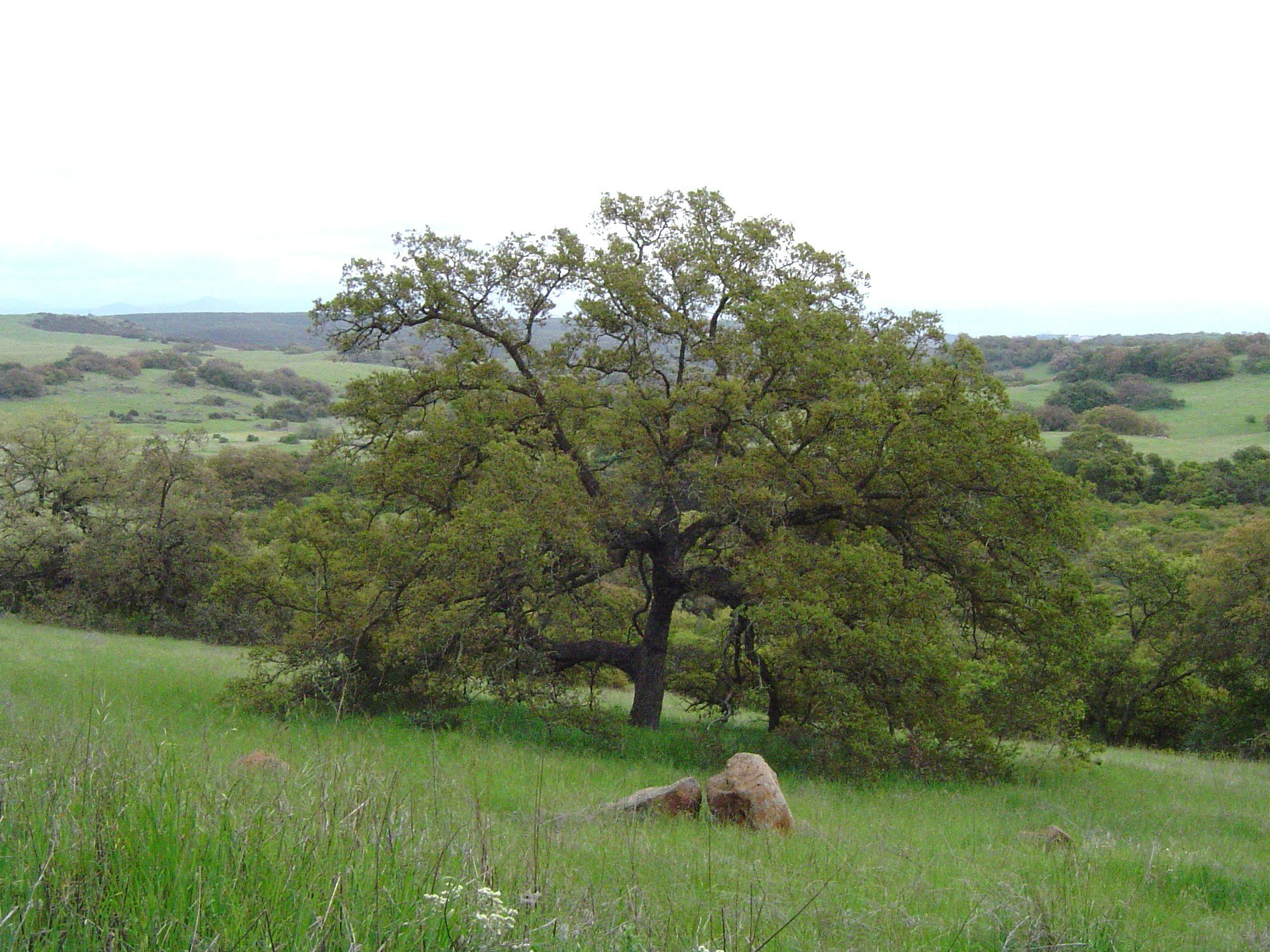
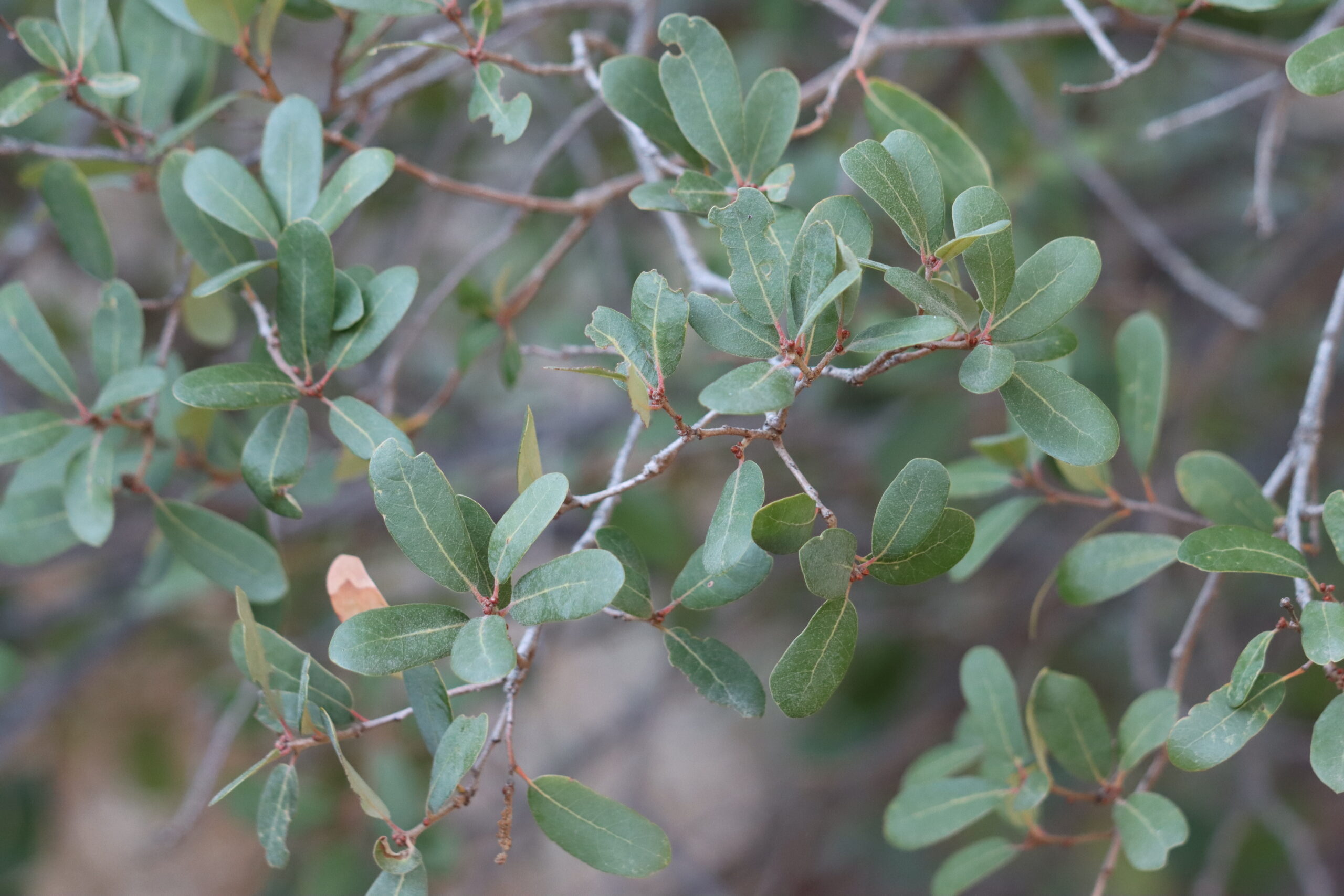
Scrub oak is a hardy native oak that typically grows as a dense shrub or small tree. It often forms thick clusters of vegetation on hillsides and foothill slopes, providing shelter and food for wildlife. Although smaller than many oak species, scrub oak plays an important ecological role in Southern California landscapes.
Scrub Oak
Quercus berberidifolia
Scrub oak is a hardy native oak that typically grows as a dense shrub or small tree. It often forms thick clusters of vegetation on hillsides and foothill slopes, providing shelter and food for wildlife. Although smaller than many oak species, scrub oak plays an important ecological role in Southern California landscapes.
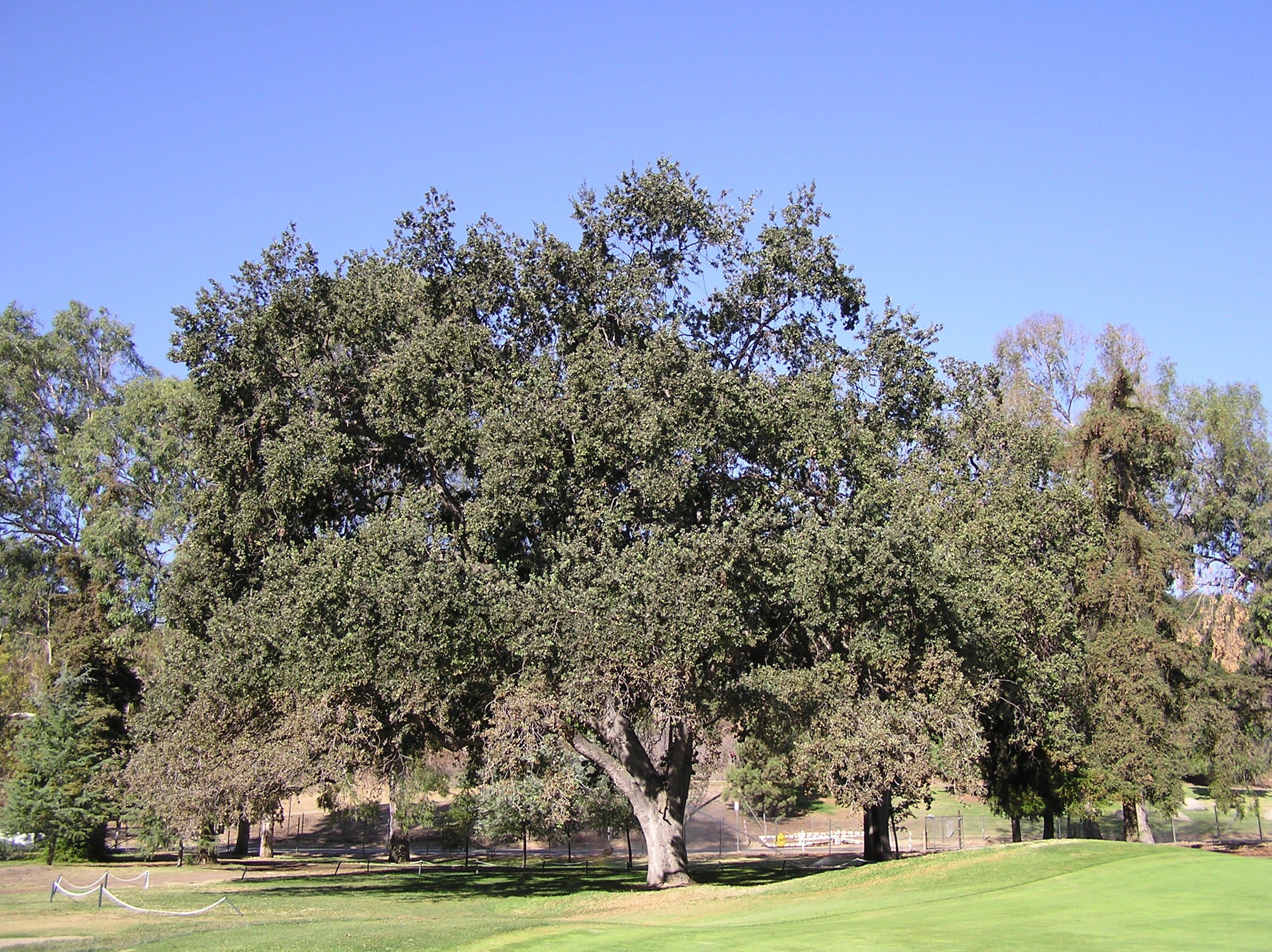
Valley Oak
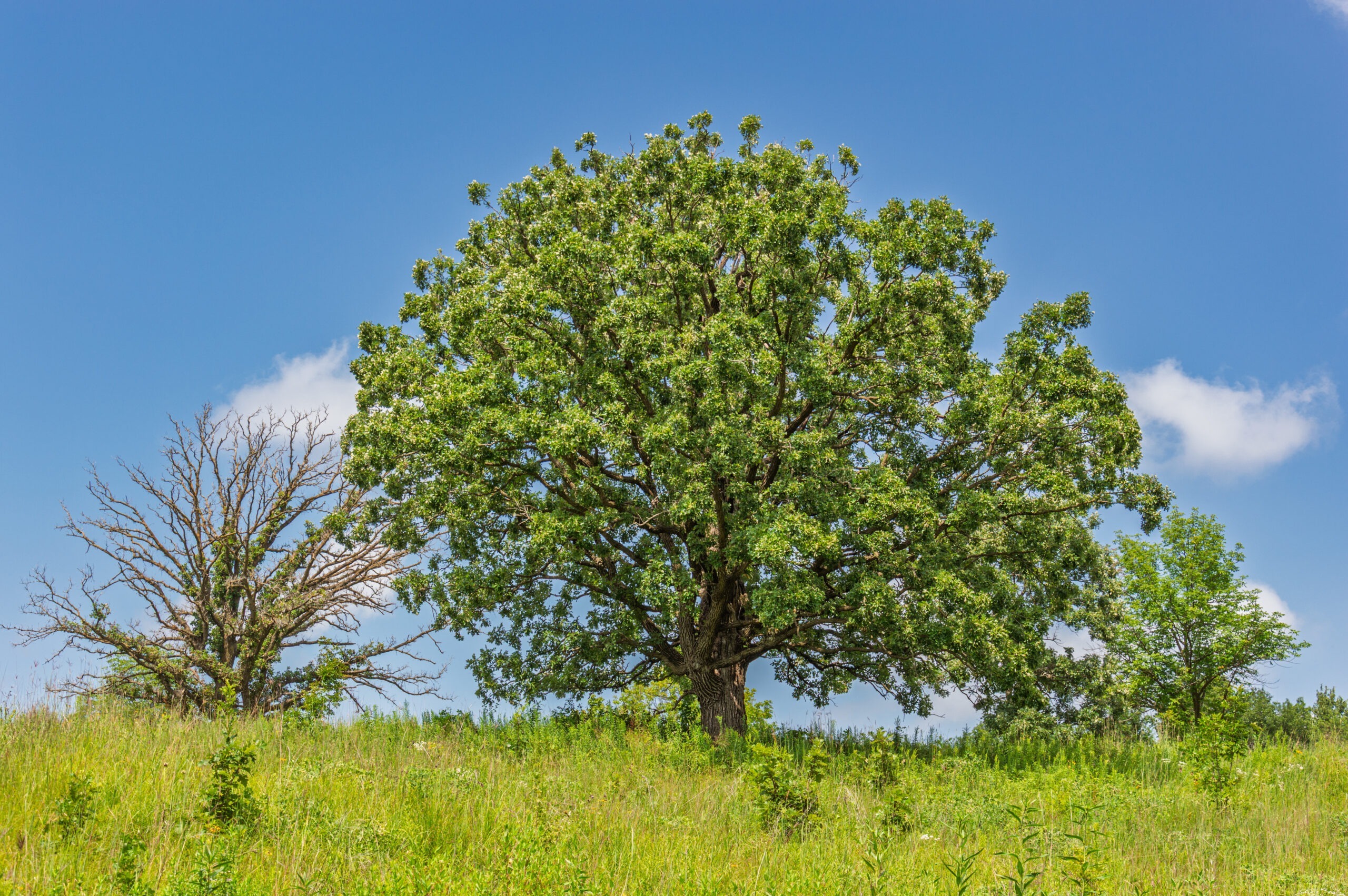
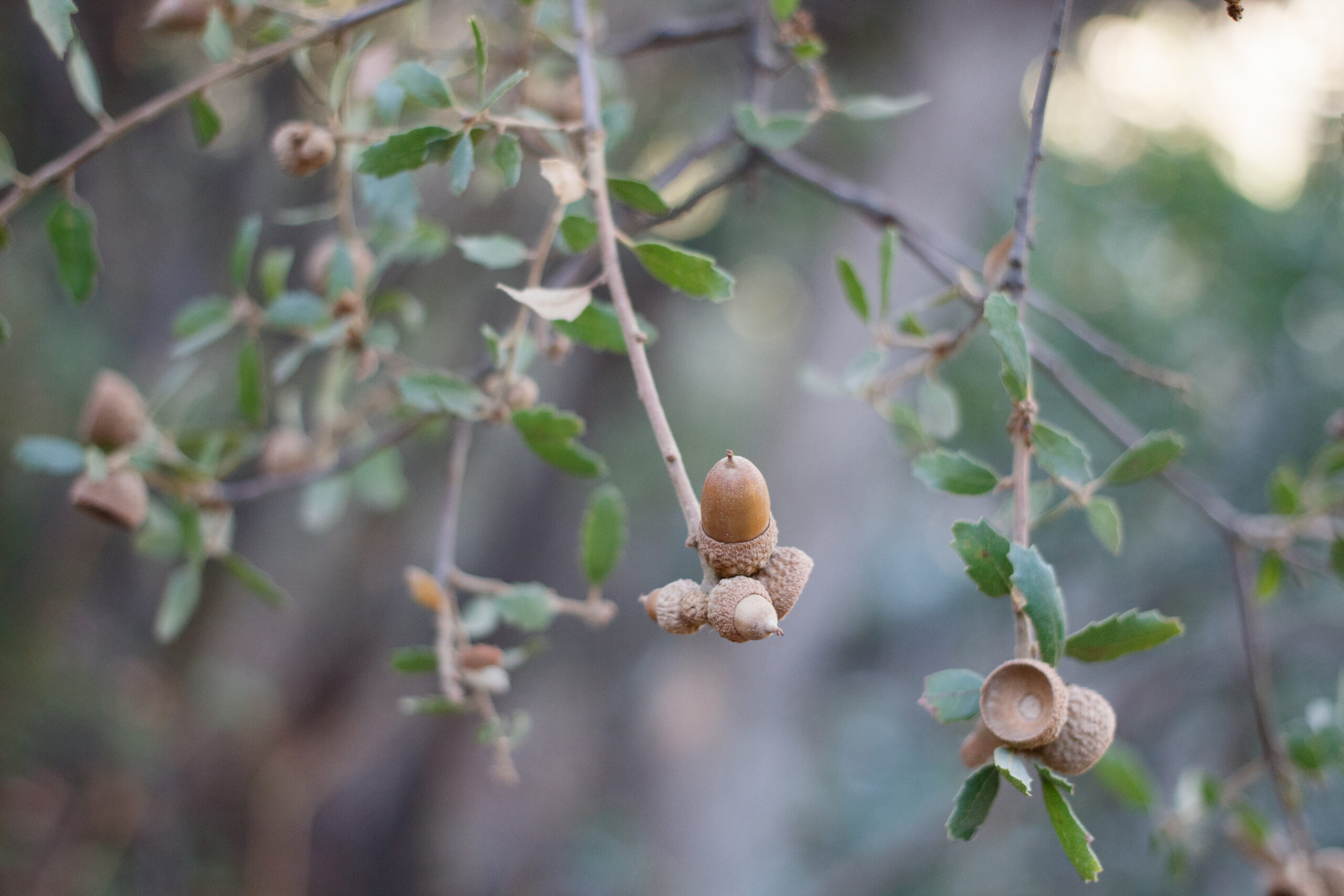
Quercus lobata
Valley oak is the largest native oak species in California and can live for several hundred years. These impressive trees develop massive trunks and wide spreading branches that create expansive shade. Valley oaks are considered one of the most significant native trees in California’s natural landscape.
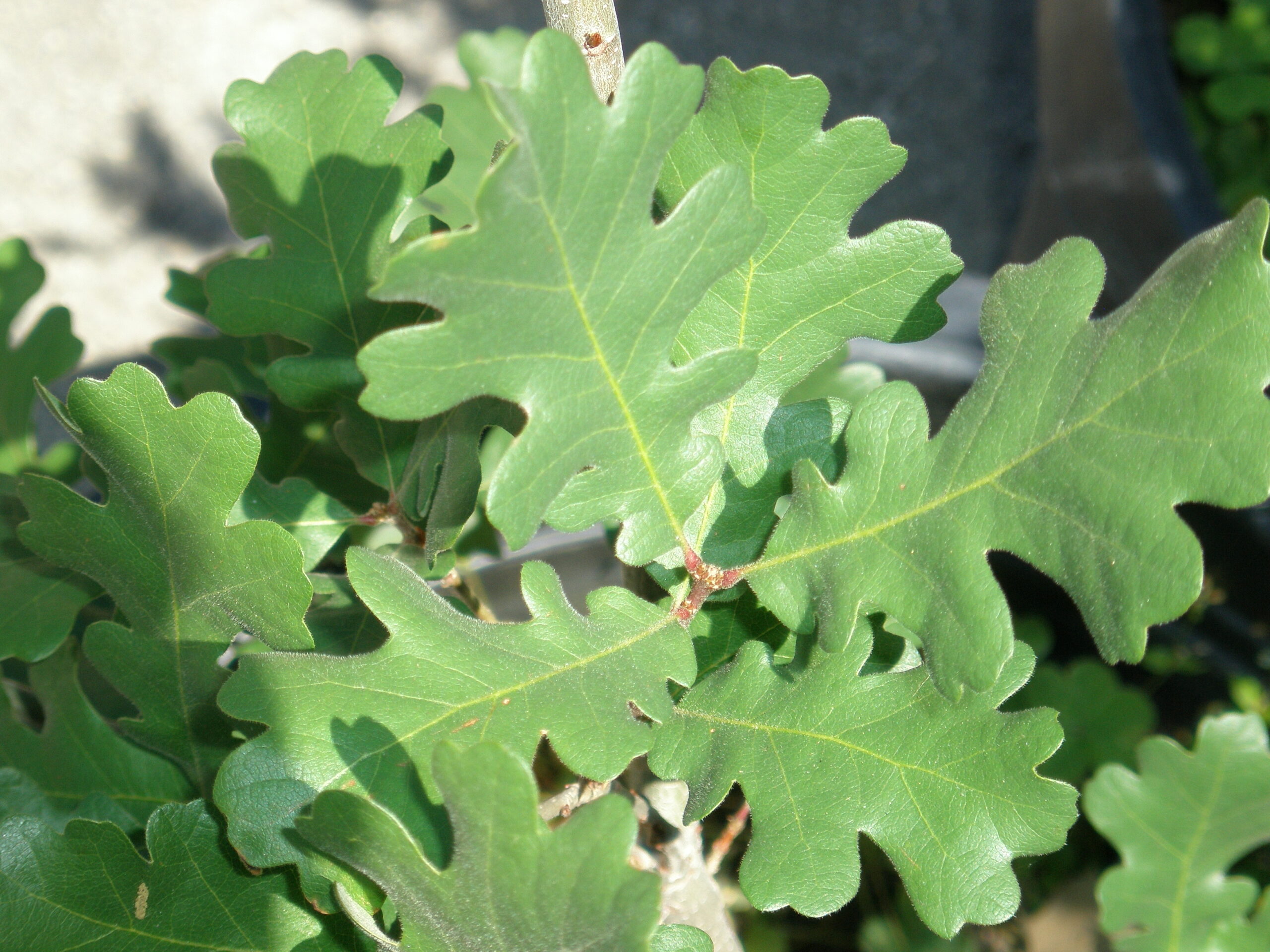
Valley Oak
Quercus lobata
Valley oak is the largest native oak species in California and can live for several hundred years. These impressive trees develop massive trunks and wide spreading branches that create expansive shade. Valley oaks are considered one of the most significant native trees in California’s natural landscape.
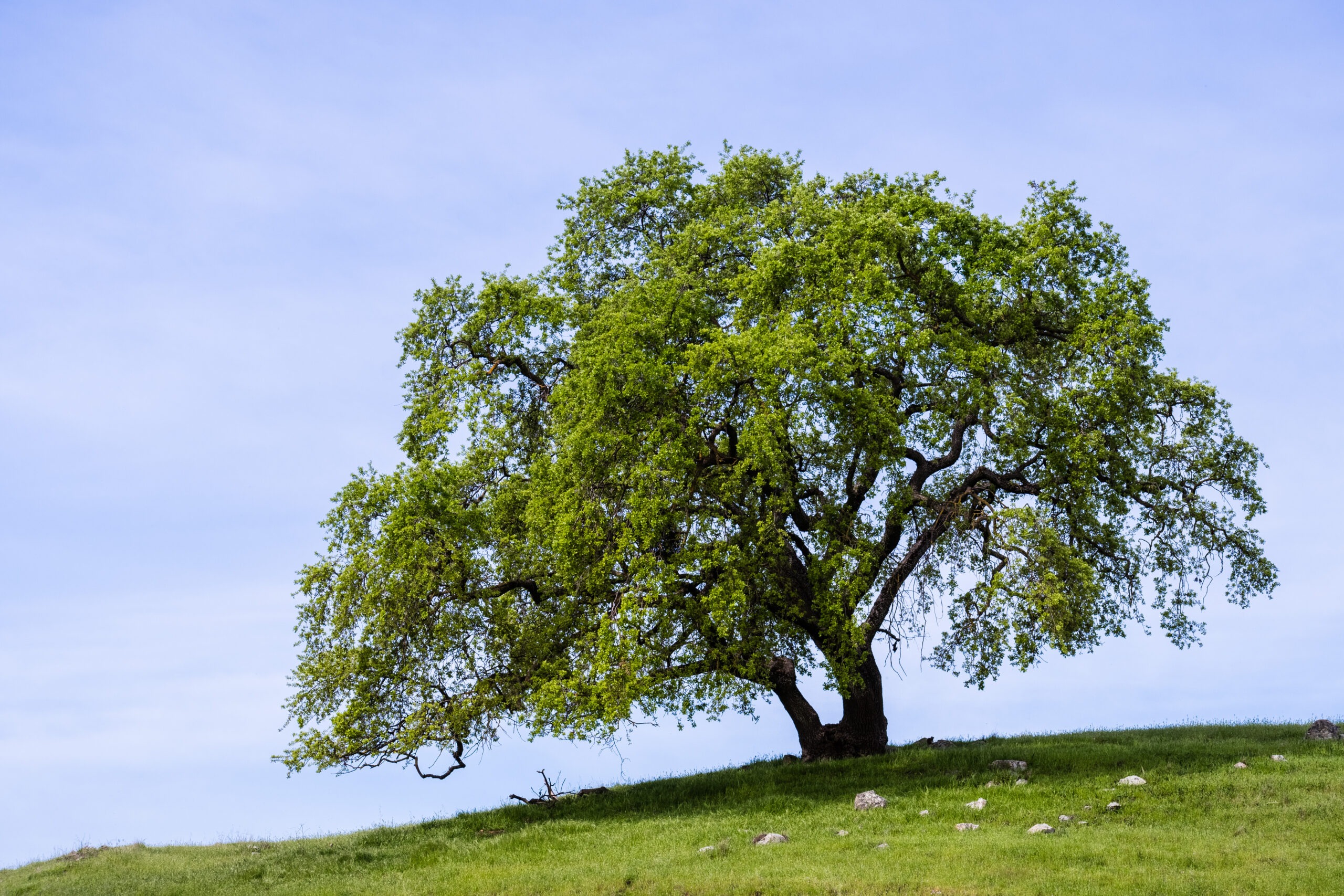
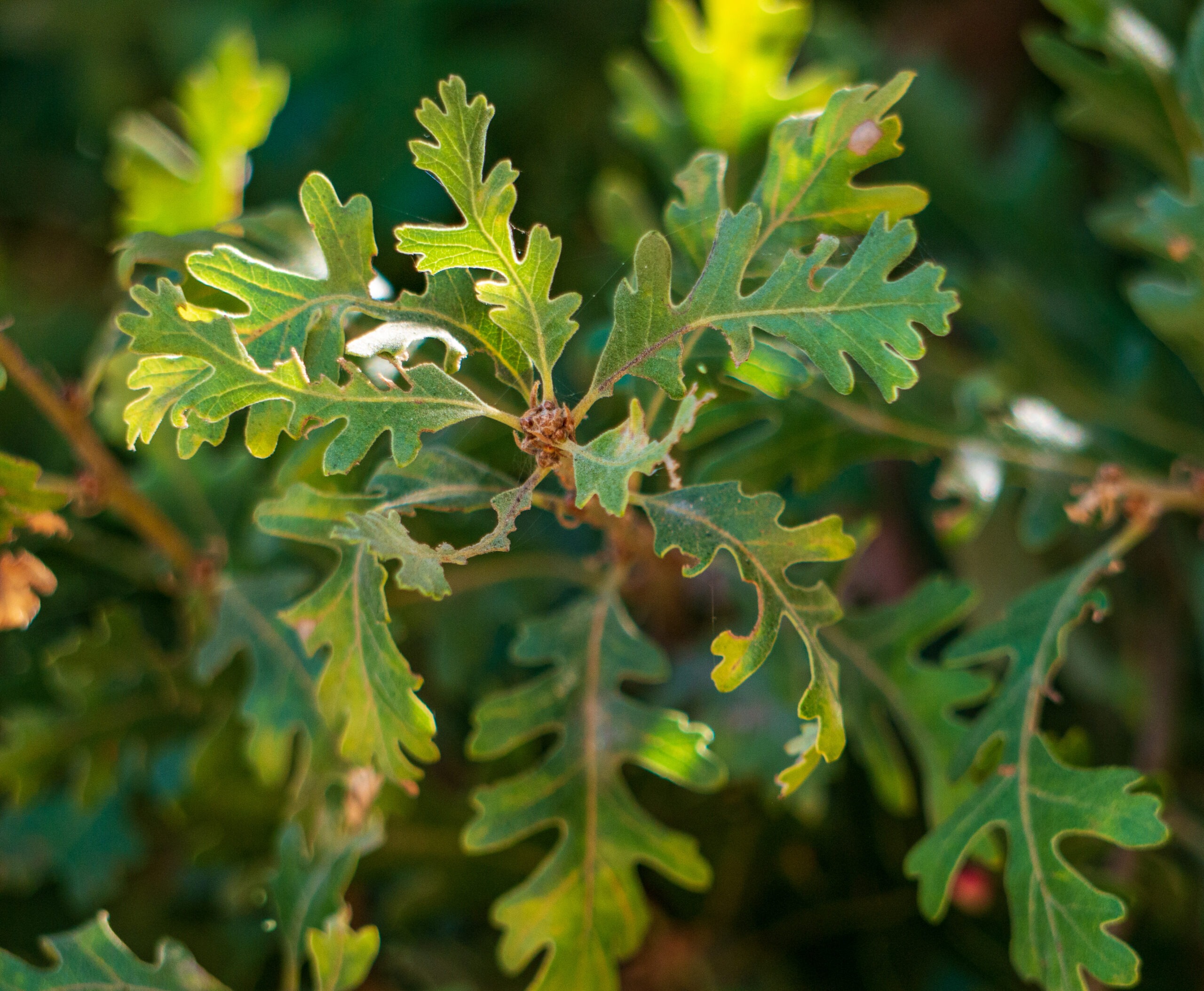
Need Help Identifying a Tree?
If you are unsure whether a tree on your property may be a protected species, contact the Forestry Section at (818) 548-3950 before performing any pruning, removal, or construction work near the tree. You can also visit the Rules & Permits page for more information about protected tree regulations and permit requirements.