

Rules & Permits
Rules & Permits
The City of Glendale protects certain native, or indigenous, tree species and manages more than 50,000 city-owned trees as part of its urban forest. Work involving protected trees, including pruning, removal, or construction nearby, may require permits or special protections.
The information below explains which trees are protected under Glendale’s Protected Trees Program, when permits are required, and how to request approval before beginning work.
Protected Trees Program
Glendale’s Protected Trees Program helps preserve native tree species and protect the city’s urban forest for the benefit of residents and future generations. The program helps safeguard thousands of trees throughout the city, including both native trees on private property and city-owned trees located along streets, in parks, and on other public property.
These protections are established under two sections of the Glendale Municipal Code:
- Indigenous Tree Ordinance (GMC 12.44), which protects certain native tree species
- City-Owned Tree Ordinance (GMC 12.40), which govern trees located on City property and within the public right-of-way
Glendale Public Works’ Forestry Section oversees the program and reviews permits for work that may affect protected trees. Property owners, contractors, and developers should confirm with Forestry whether permits are required before beginning any work.
Protected Tree Species
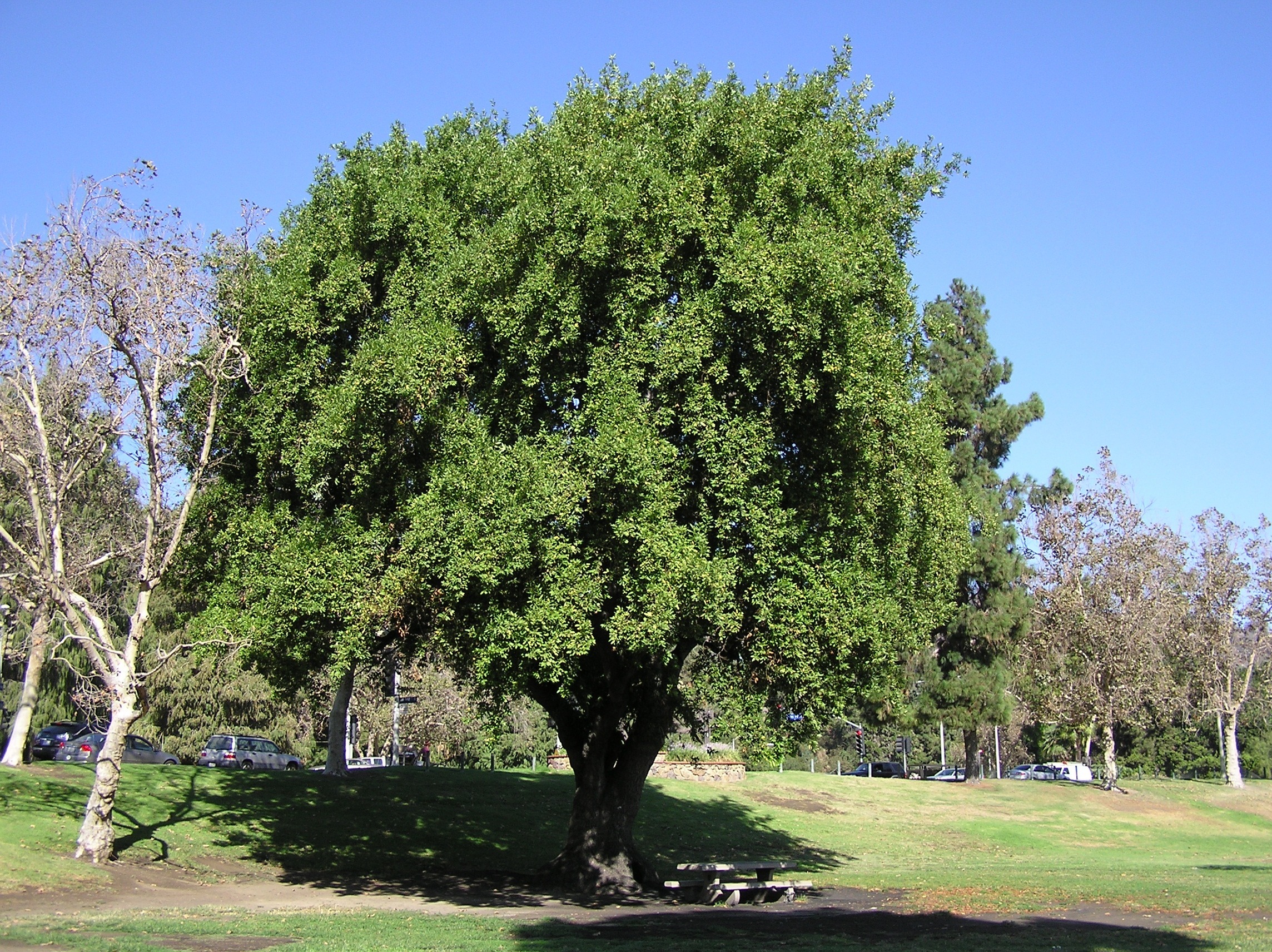
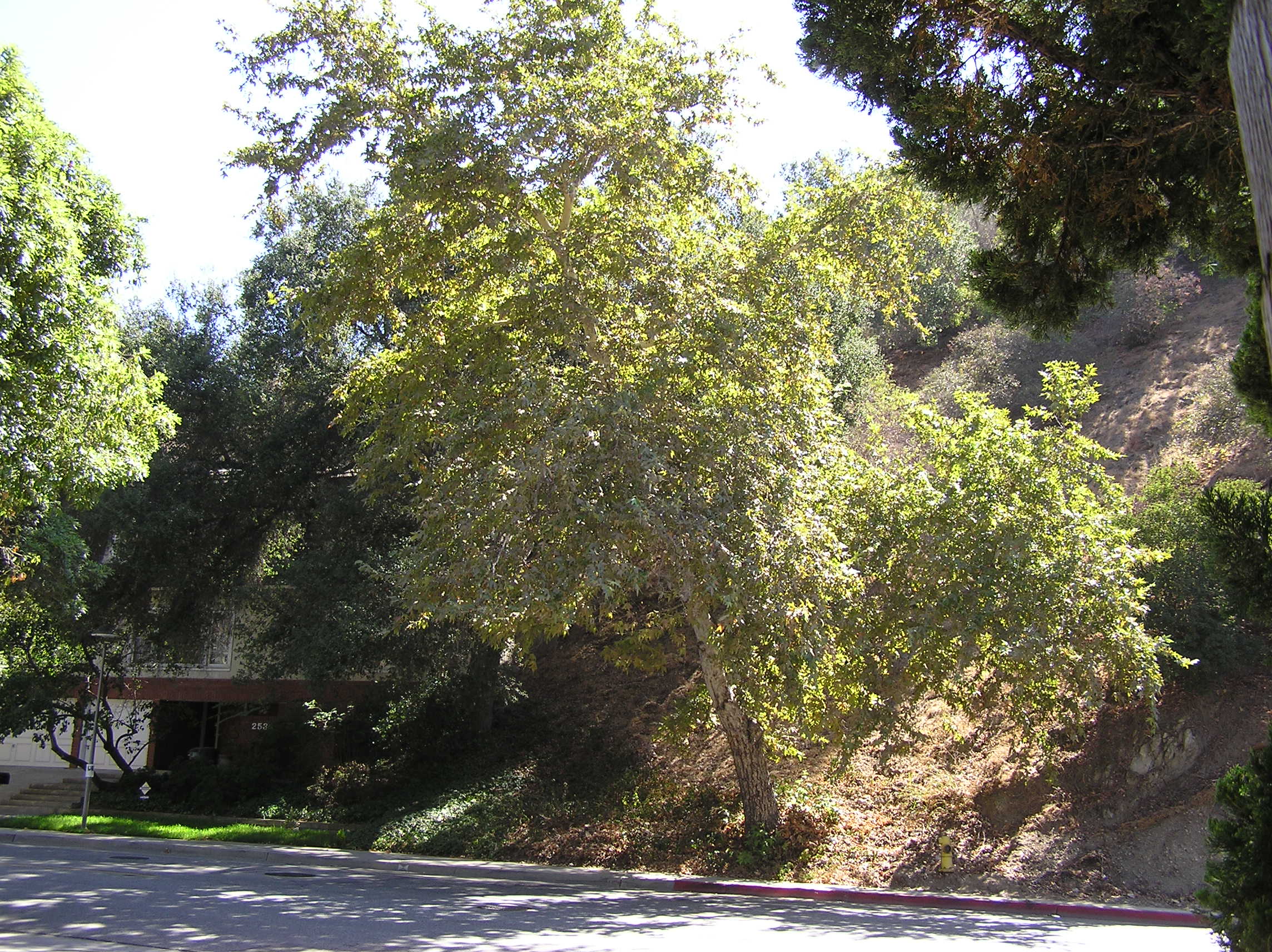
Several native tree species are protected under Glendale’s Protected Trees Program because of their ecological value and importance to the city’s natural landscape. These include certain oak, bay, and sycamore trees commonly found throughout Glendale and the surrounding foothills.
The species listed below may be protected when they meet the size requirements established in the Indigenous Tree Ordinance (GMC 12.44). Because protected trees may be located on both public and private property, residents and property owners should confirm with the Forestry Section whether permits are required before performing any work.
Select a tree below to learn how to identify protected species and view additional information.
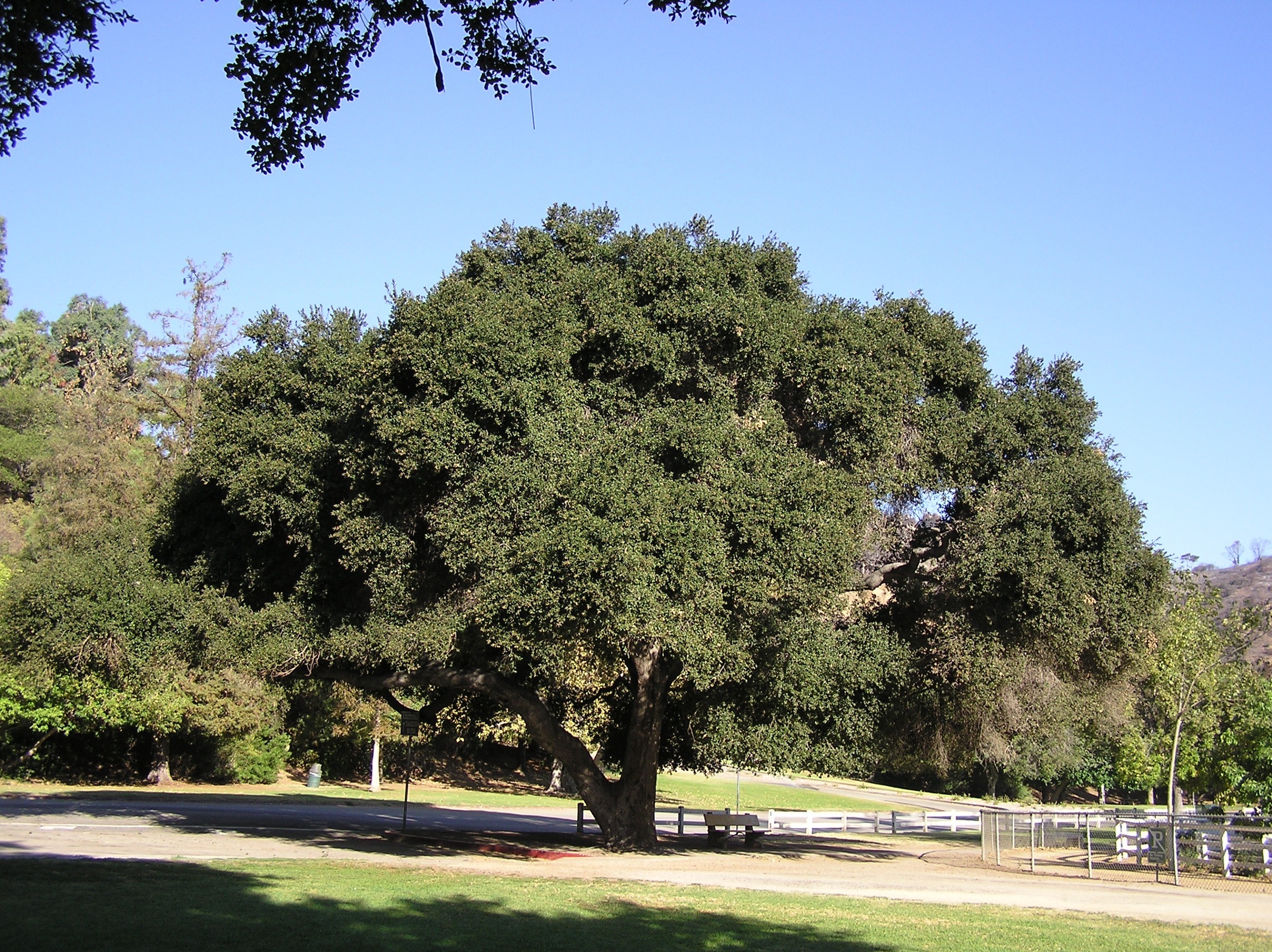
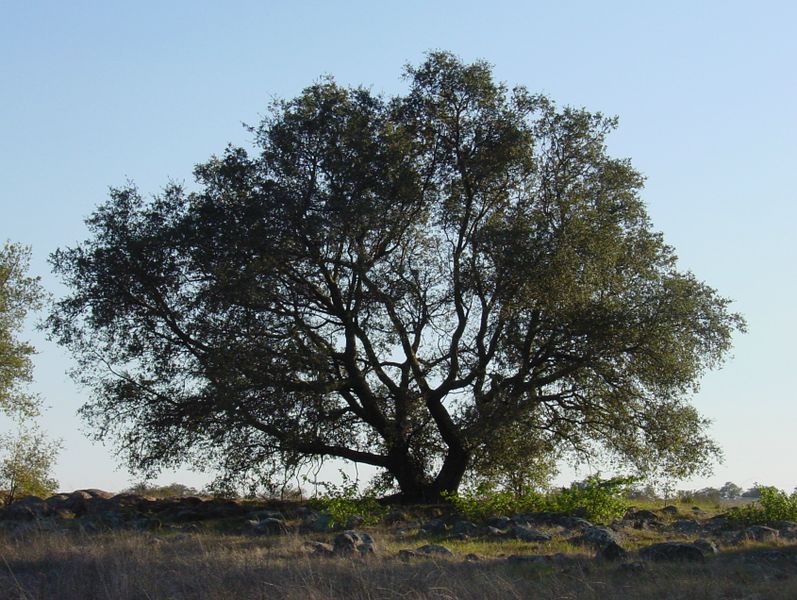
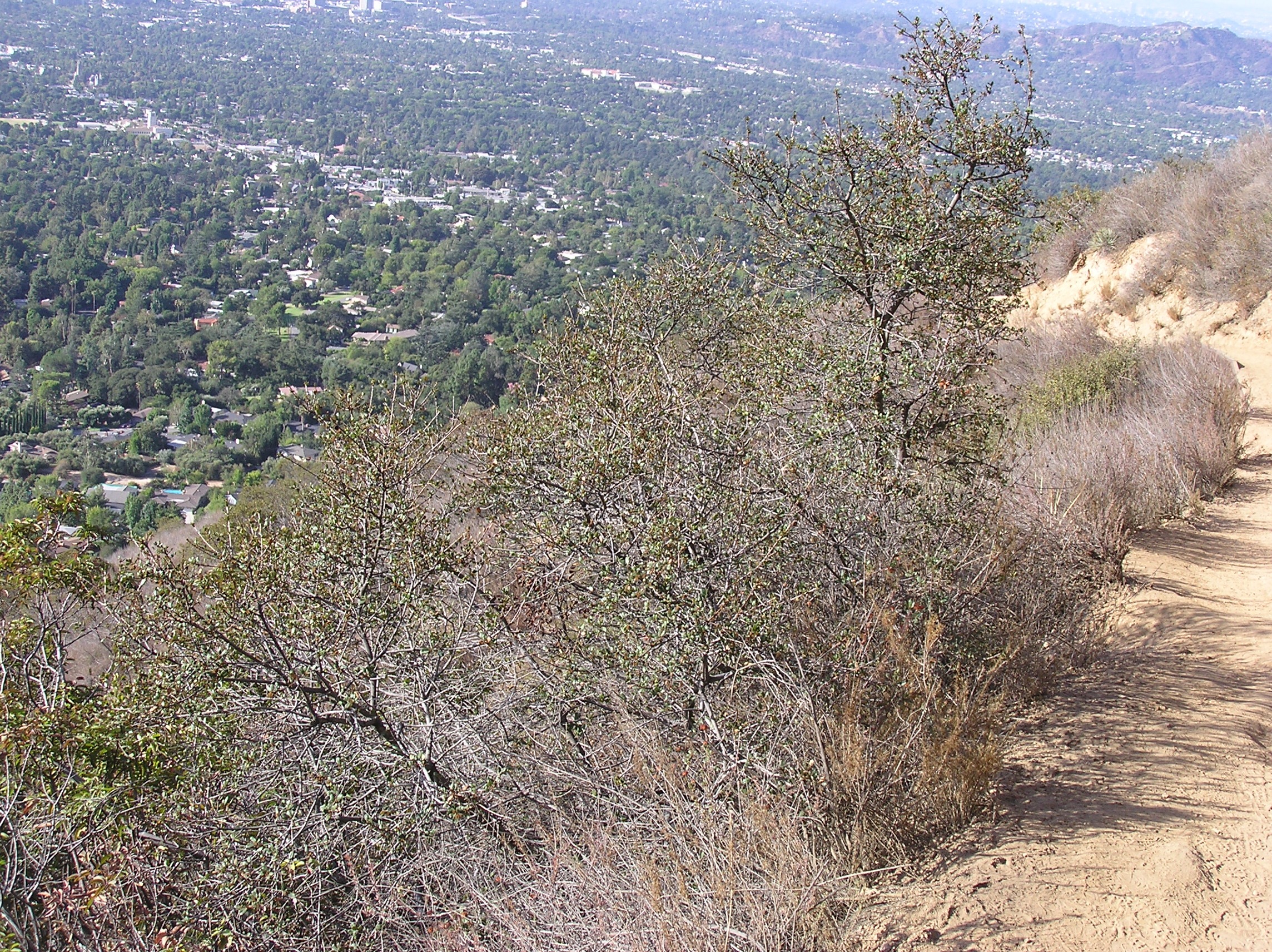
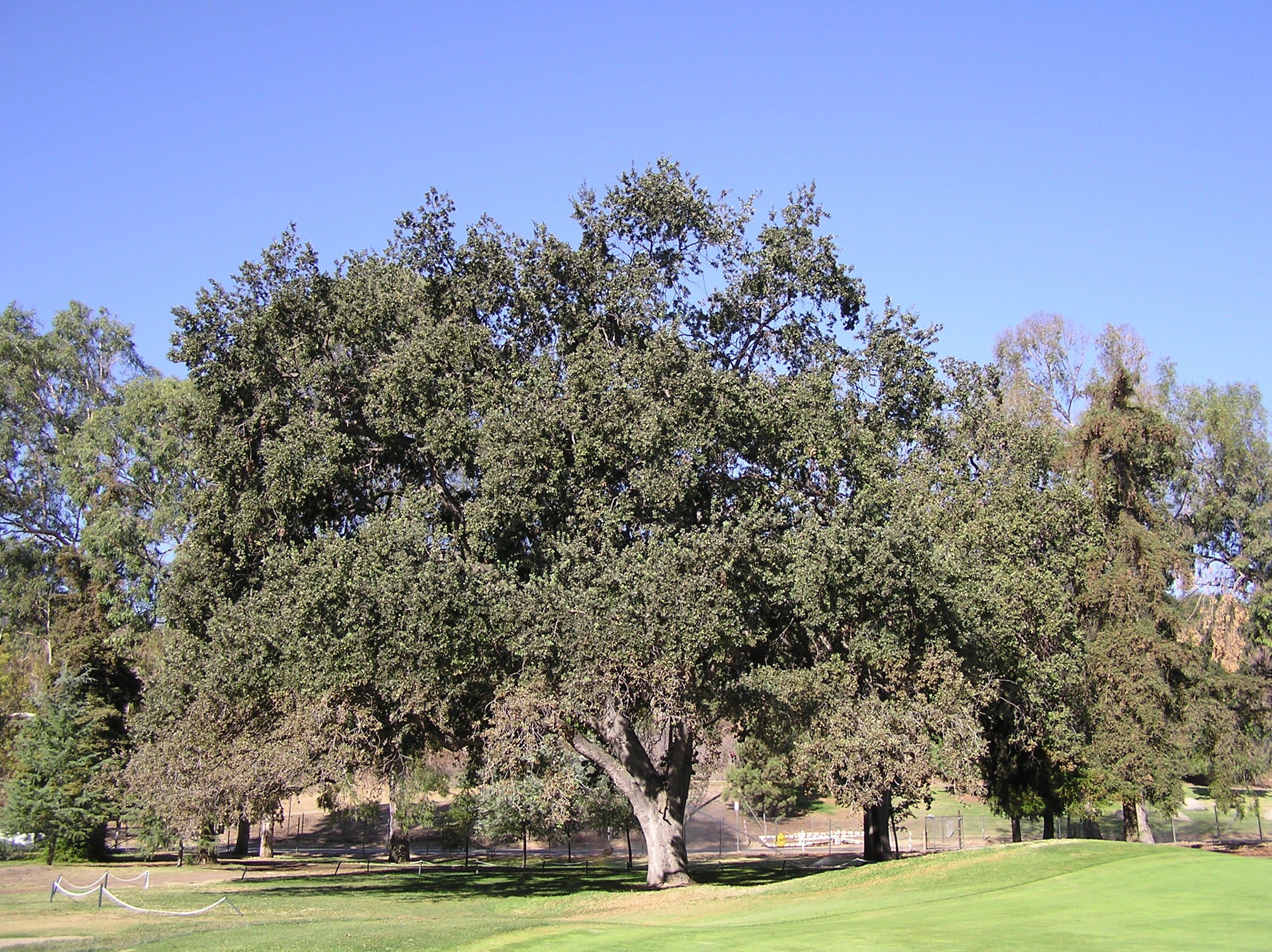
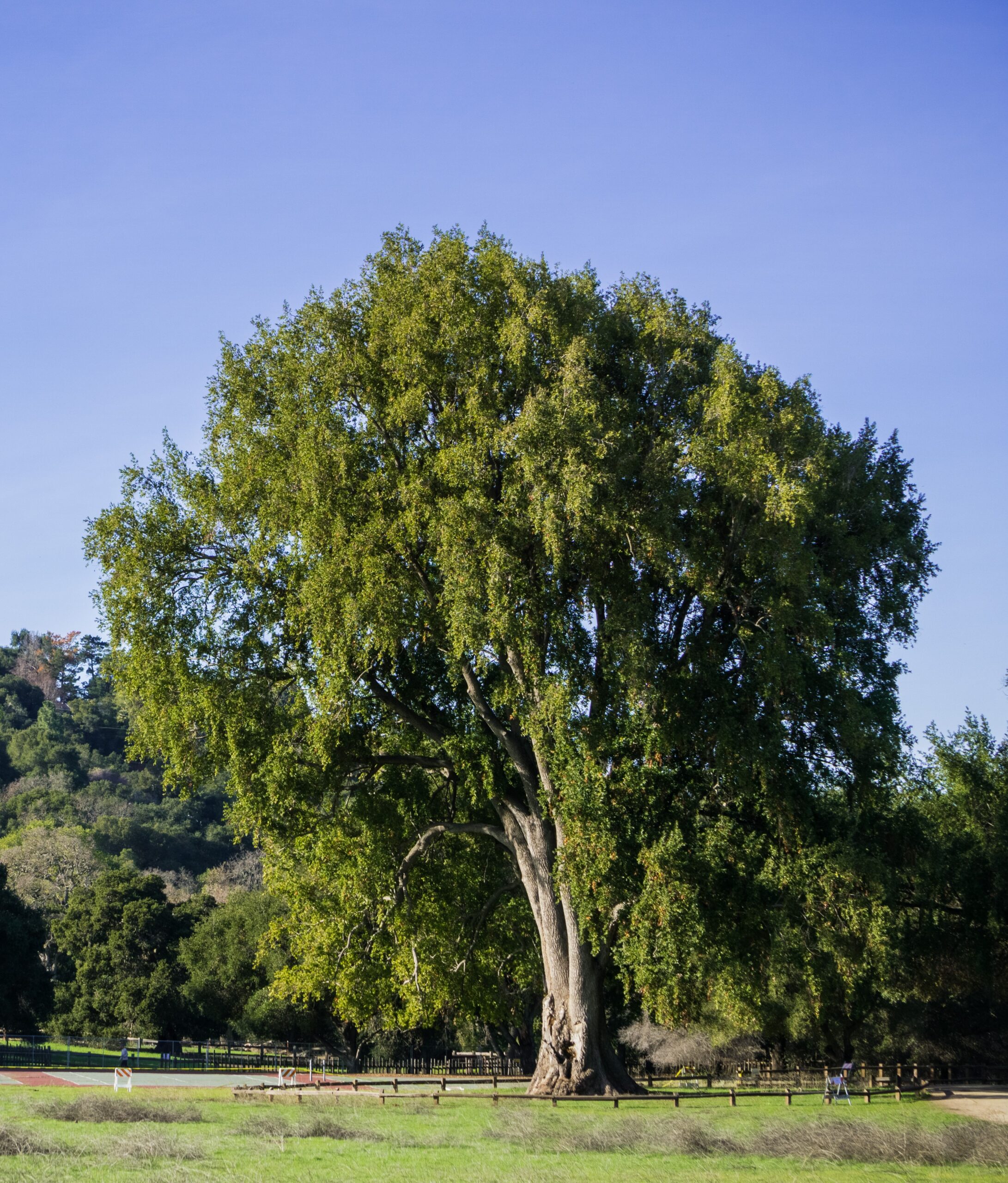
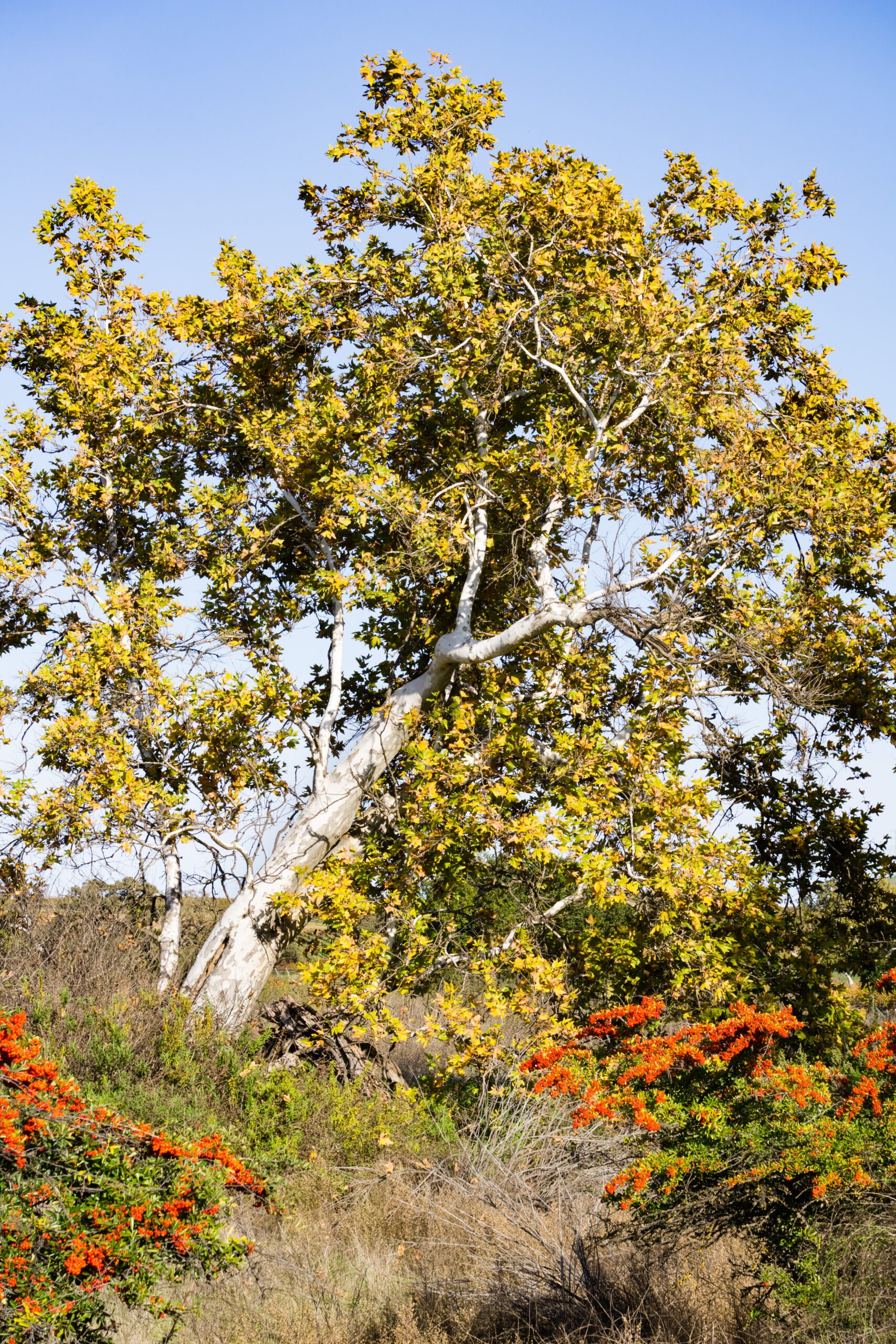
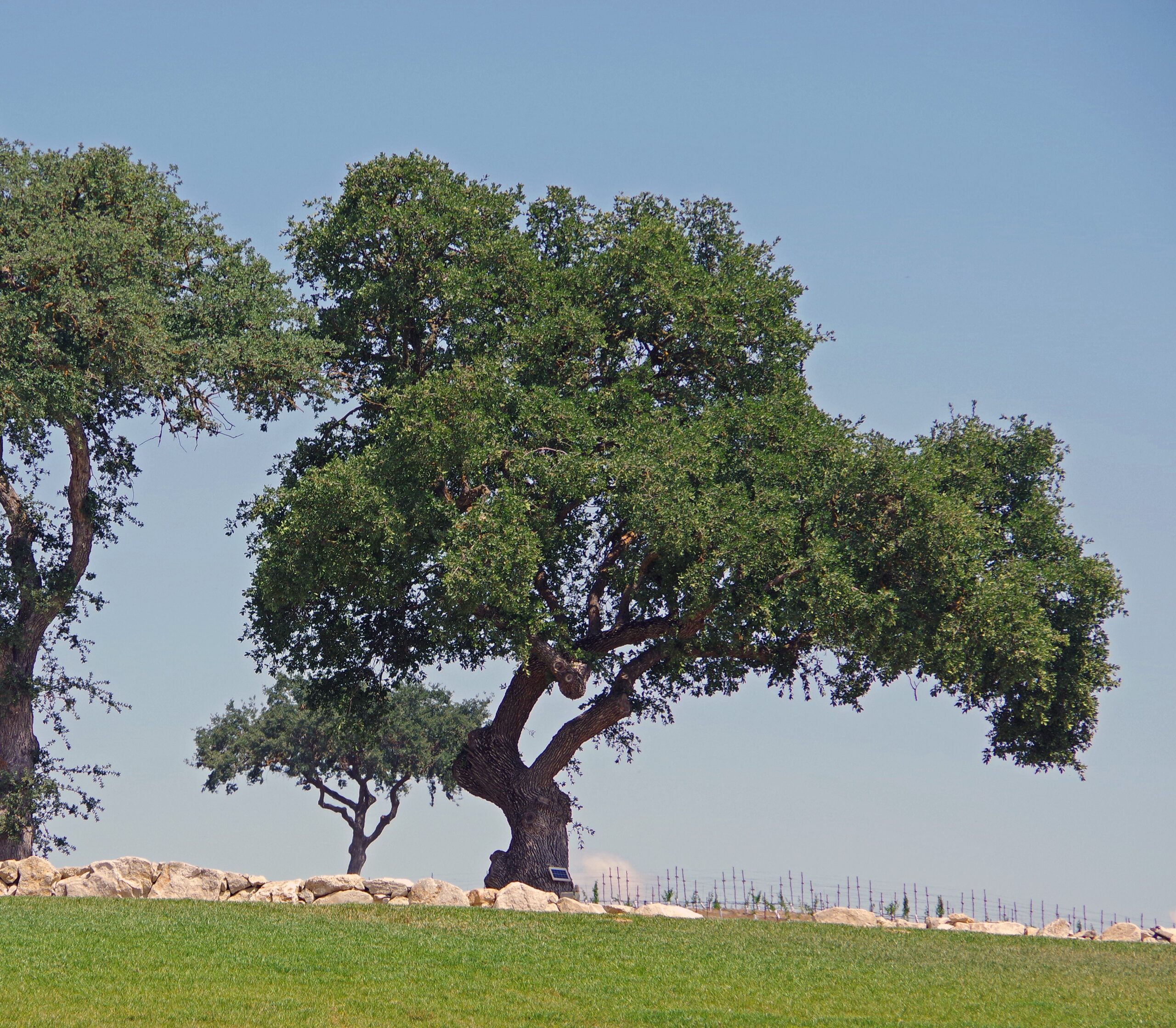
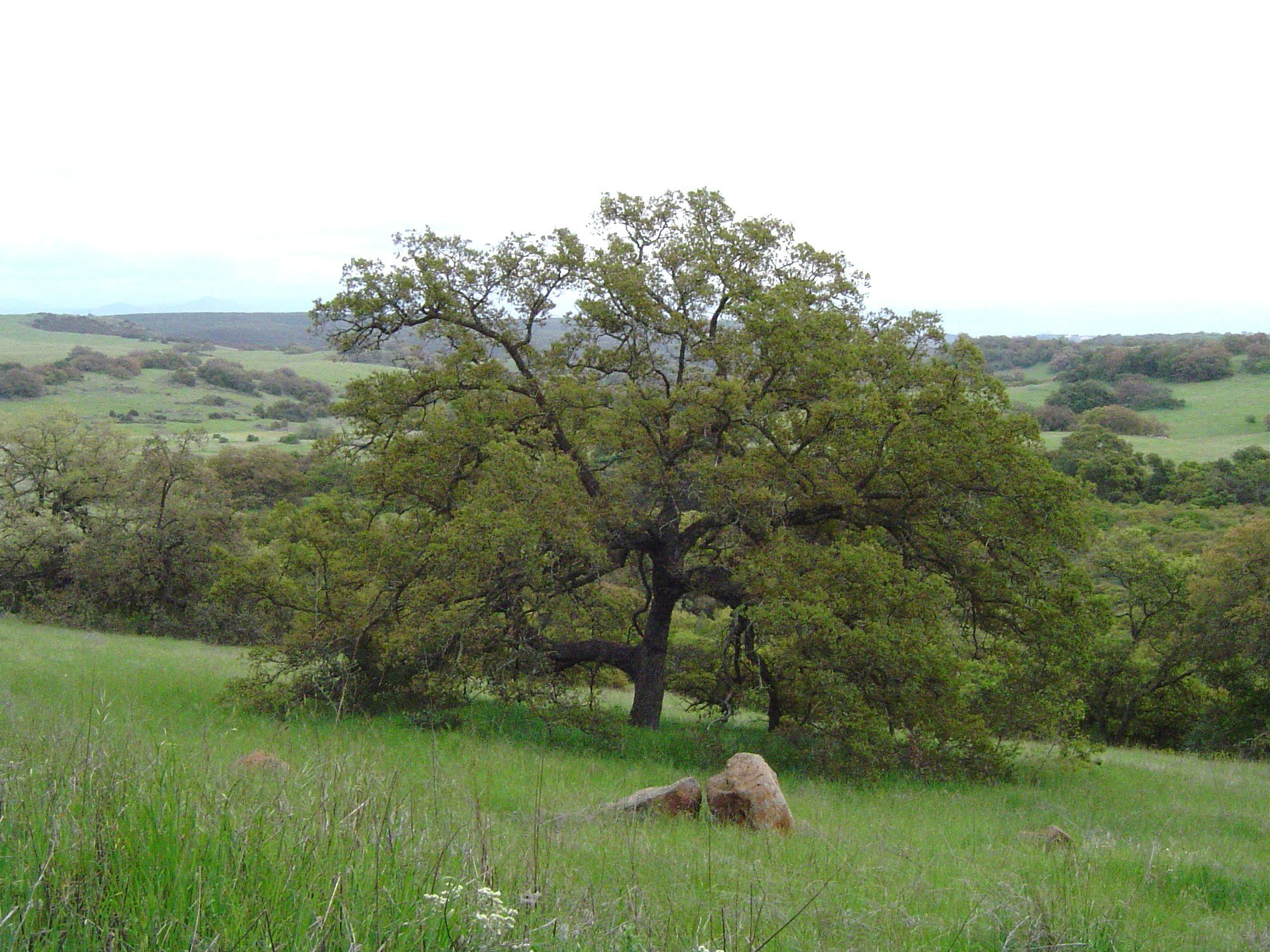
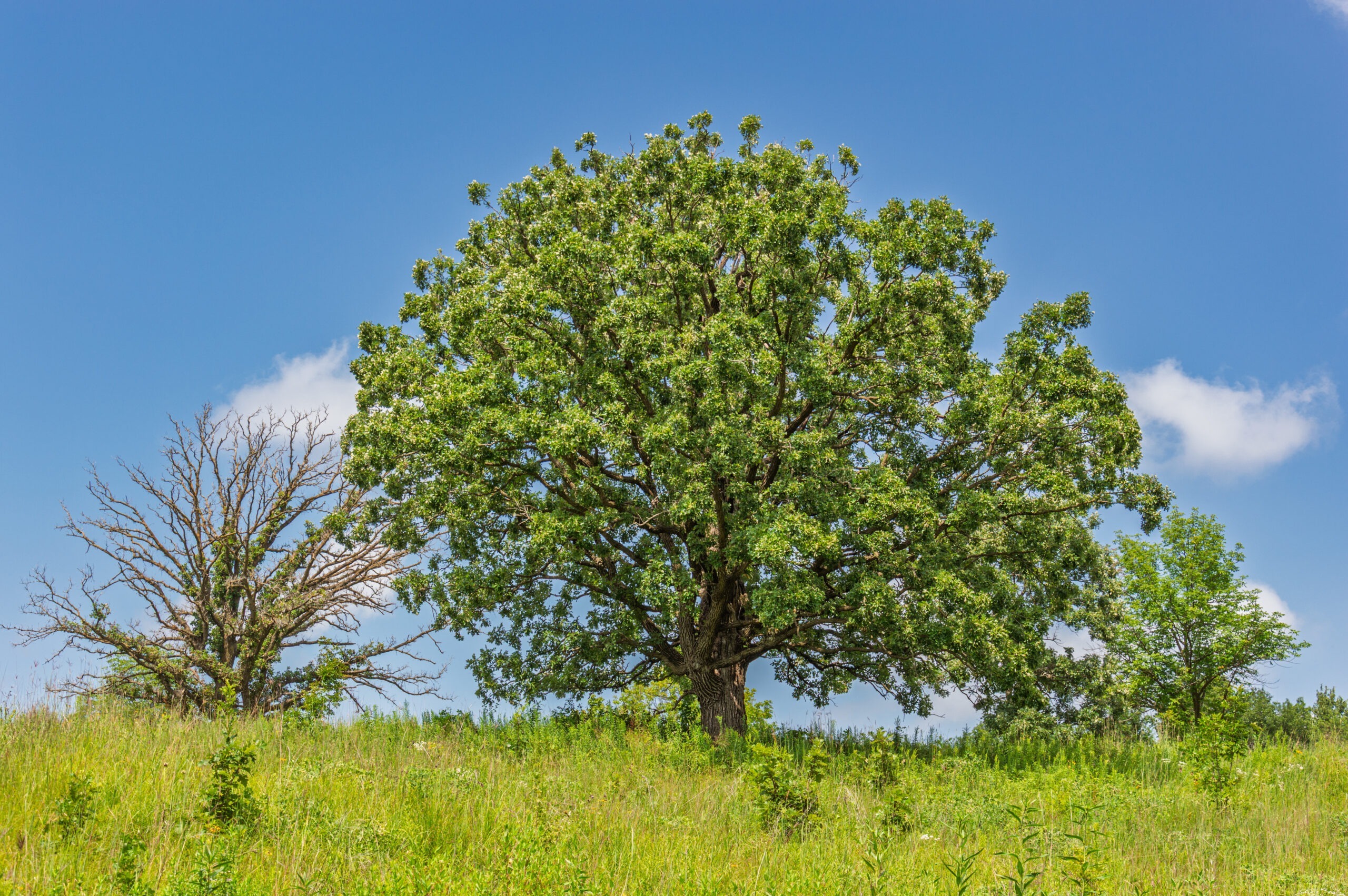
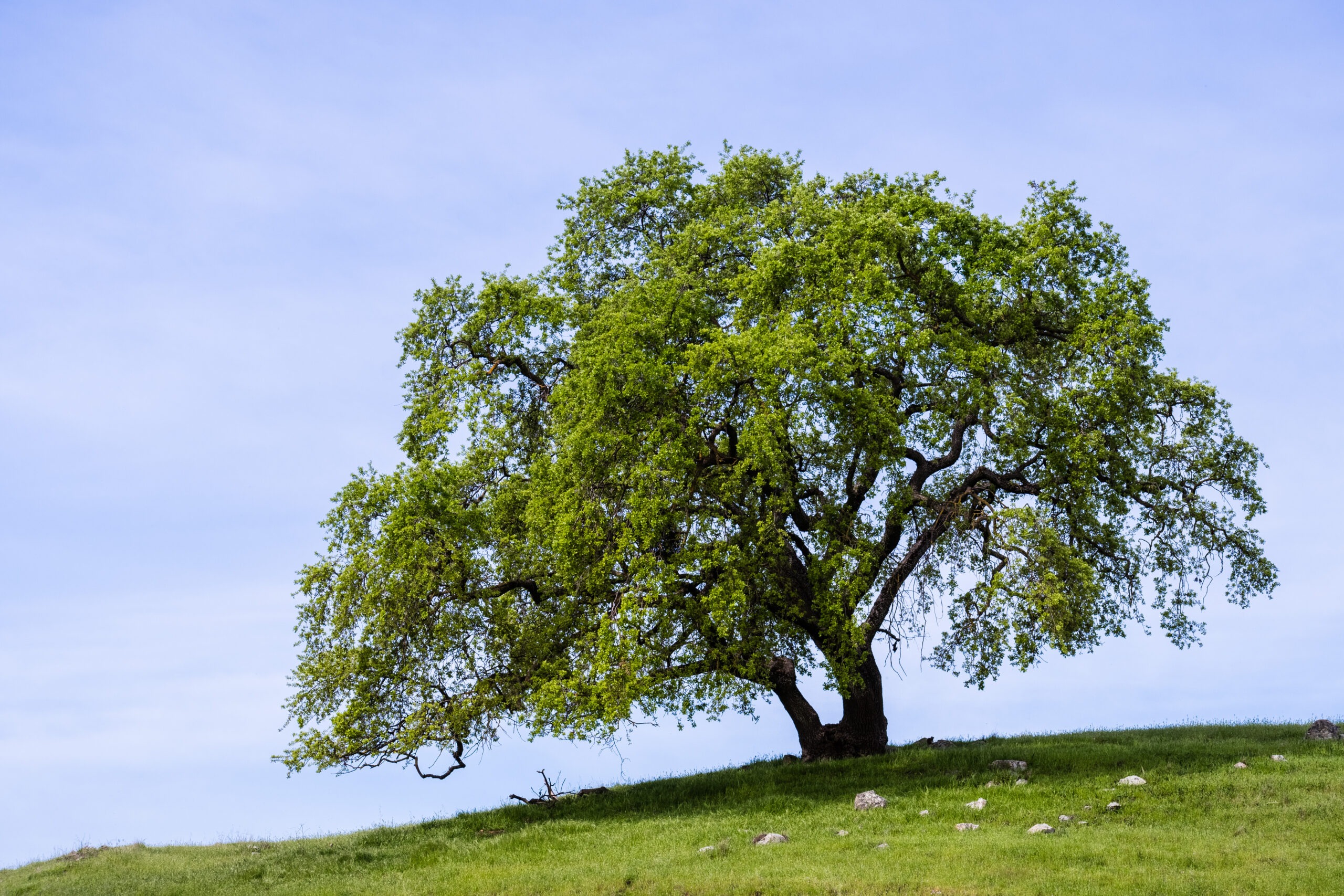
If you are unsure whether a tree on your property is protected, contact the Forestry Section at (818) 548-3950 before beginning any pruning, removal, or construction.
Public vs. Private Trees
Glendale’s Protected Trees Program applies to both native trees on private property and city-owned trees located on public property. Understanding the difference between these two categories helps determine what rules apply and who is responsible for maintenance.
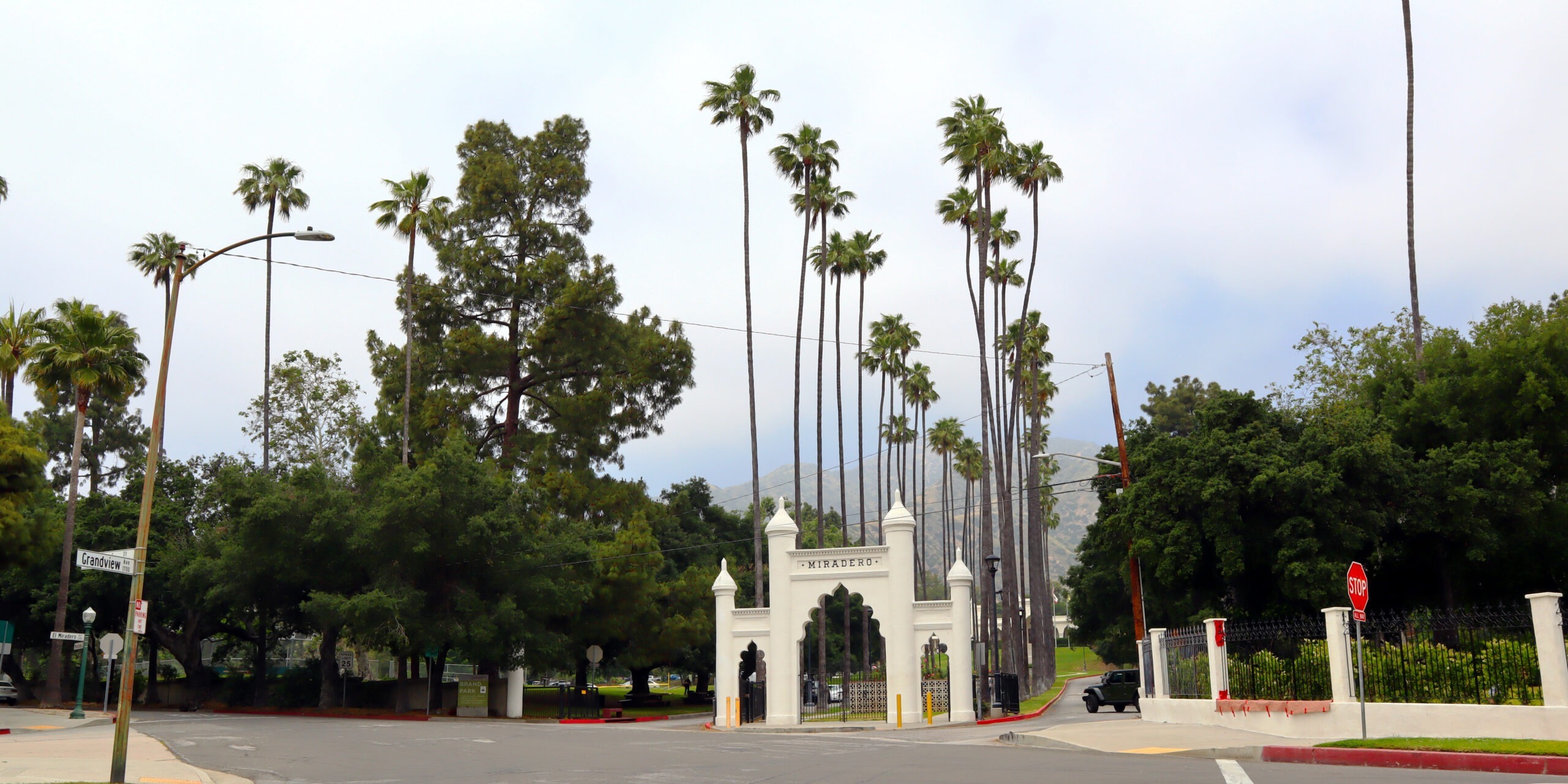
City-Owned Trees
City-owned trees are located on public property, including streets, parkways, parks, and other city facilities. Glendale maintains more than 43,000 street trees and over 6,000 trees in public parks, all of which are cared for by the City’s Forestry Section.
All city-owned trees are protected regardless of species or size under the City-Owned Tree Ordinance (GMC 12.40). Residents may not prune, remove, or otherwise alter these trees without authorization from the City.
If a city-owned tree requires maintenance or appears damaged or hazardous, residents should contact the Forestry Section at (818) 548-3950 to request inspection or service. The Forestry Section maintains records of all city-owned trees and can help confirm whether a tree is located on public property.
Trees on Private Property
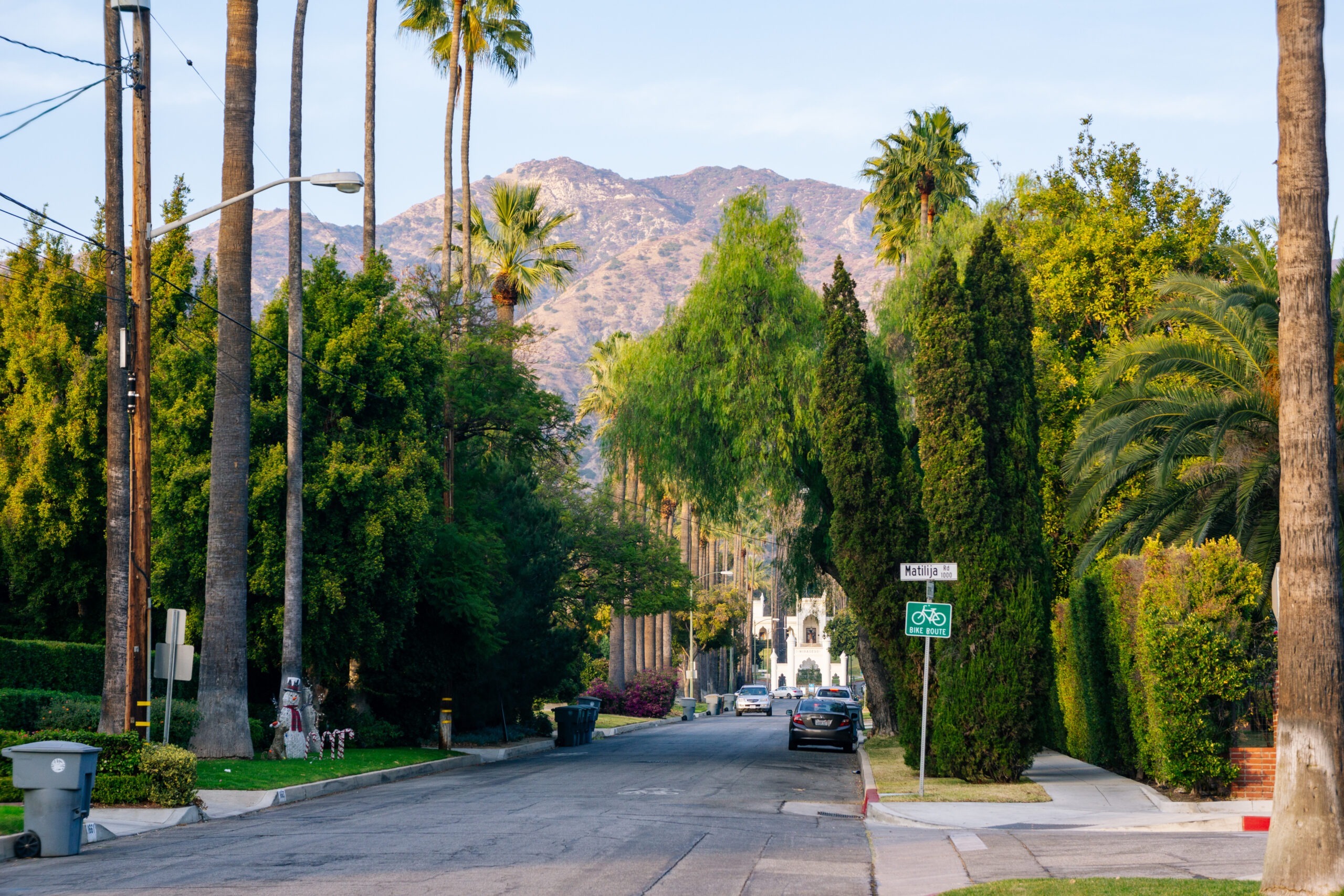
Trees located on private property are generally the responsibility of the property owner. However, certain native tree species may be protected under the Indigenous Tree Ordinance (GMC 12.44).
A native tree is generally considered protected when its trunk measures 6 inches or more in diameter, or a multi-trunk tree with two trunks together equaling 6 inches or more in diameter, at approximately 4.5 feet above the ground. When a tree meets this size requirement, permits may be required before pruning, removal, or construction activities that could affect the tree.
Because protected native trees are common throughout Glendale, property owners should confirm with the Forestry Section whether permits are required before beginning any work. Call (818) 548-3950 for assistance.
When a Permit Is Required
Permits may be required before performing work that could affect a protected tree. This helps ensure that pruning, removal, and construction activities are carried out responsibly and do not cause long-term damage to Glendale’s urban forest.
How to Request a Permit
Before beginning any work on or near a protected tree, property owners, contractors, and project applicants are required to create an account through the City’s online permitting system before submitting a tree permit application.
Click the button below to open the Glendale Permits page. Select “Log In or Register” to create an account or sign in. Once you are logged in, click “Apply” to begin the permit application process.
For more information on the City’s permitting system visit GlendalePermits.org.
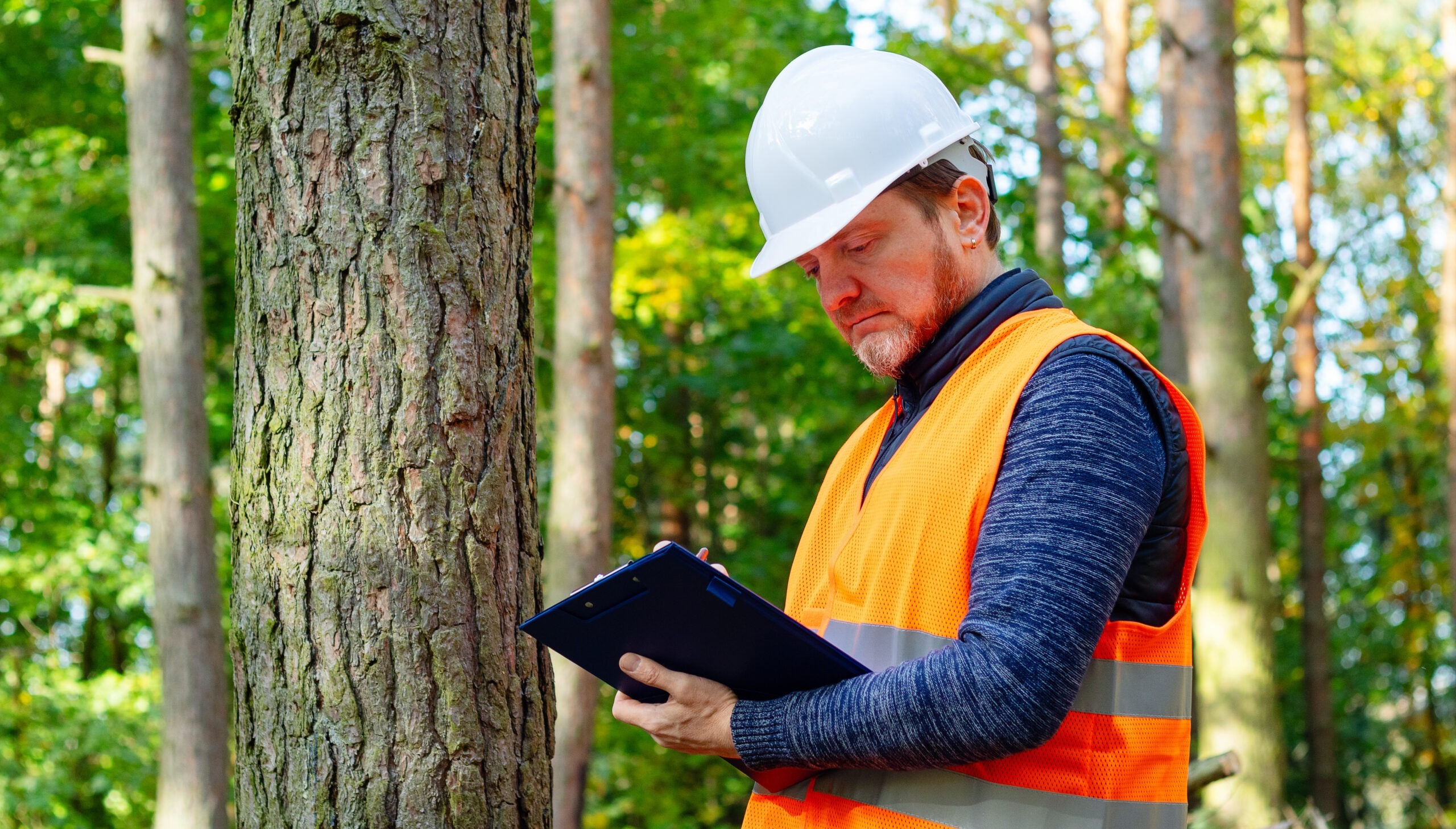
Depending on the scope of the project, the Forestry Section may require additional documentation, including:
When submitting a permit request, applicants may be asked to provide information such as:
The Forestry Section will review the permit request and may conduct a site inspection before issuing a permit or confirming that a permit is not required.
If you have questions about the permit process, contact the Permit Services Center at (818) 548-3200.
Tree Protection During Construction
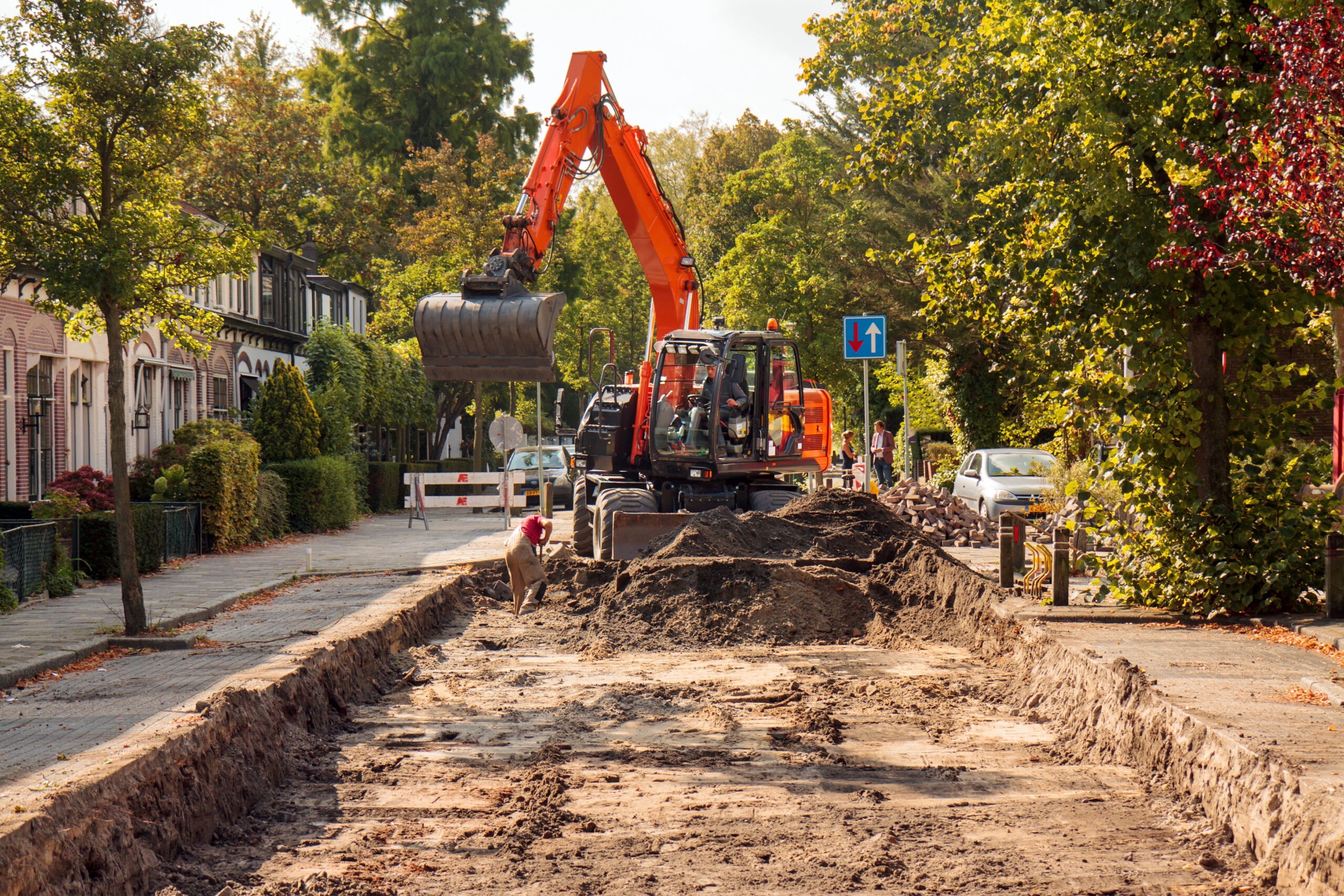
Construction activities near protected trees can damage roots and affect long-term tree health. For this reason, special protections may be required when building or grading near protected trees, in addition to any required City permits.
Work conducted within 20 feet of a protected tree may require an Indigenous Tree Report prepared by a qualified arborist.
Based on the arborist’s findings, the Forestry Section may require tree protection measures, such as protective fencing or limits on grading near the tree’s root zone. These protections are typically shown on a Tree Protection Plan included with the project’s site plans.
In some cases, the arborist who prepares the report may also be required to monitor construction activities to ensure approved protections are followed.
If you are planning construction near protected trees and are unsure about permit or protection requirements, contact the Forestry Section at (818) 548-3950.